
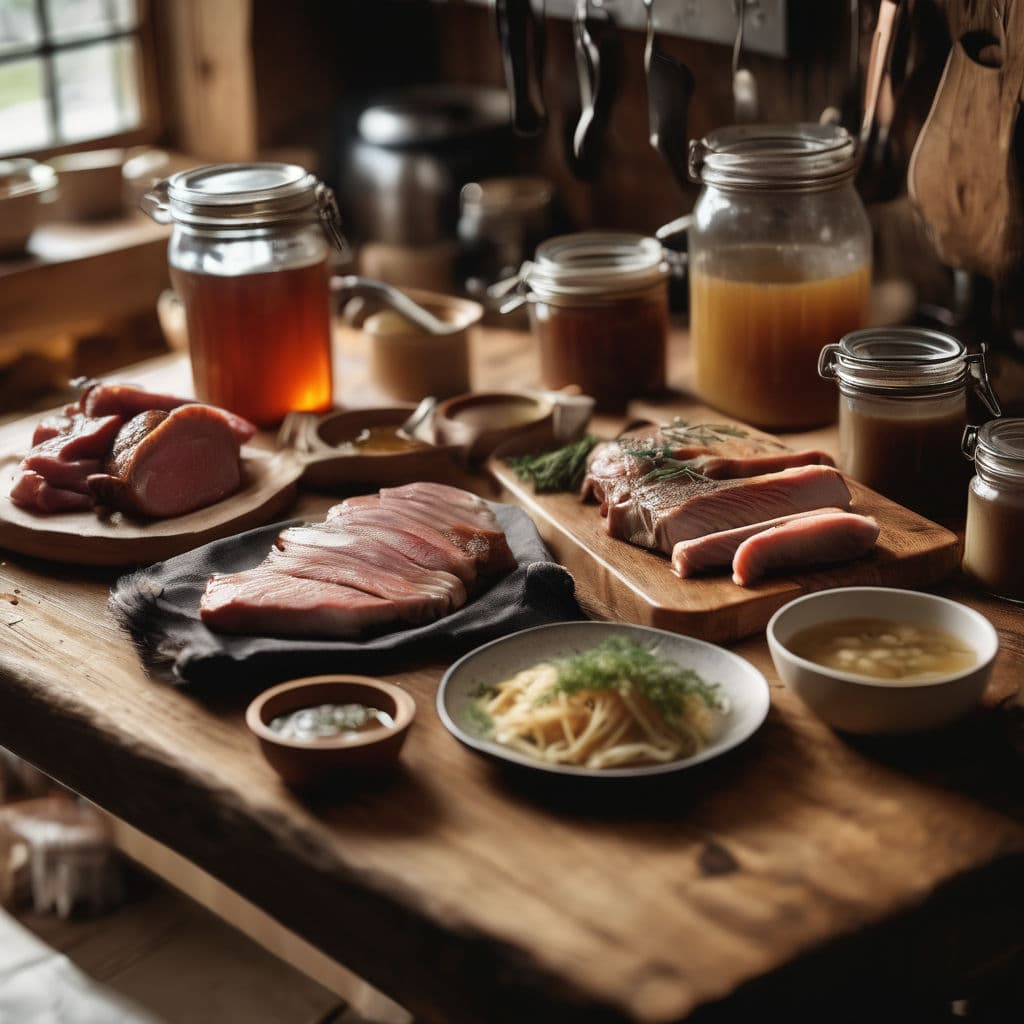
Carnivore Diet Meals: A Practical Meal Prep Guide for Meat‑Focused Eating
What are carnivore diet meals?
Carnivore diet meals are built almost entirely from animal-based foods—primarily meat, fish, eggs, and some animal fats—with minimal or no plant ingredients.
At its simplest, the carnivore diet emphasizes whole cuts of beef, pork, lamb, poultry, seafood, eggs, and occasionally dairy like butter or hard cheese. Most versions exclude fruits, vegetables, grains, legumes, nuts, and seeds. Some people follow a strict “meat-only” approach, while others adopt a more flexible version that includes eggs and limited dairy.
From a nutrition perspective, carnivore meals are naturally high in protein and fat and very low in carbohydrates. According to USDA food composition data, a 225 g (8 oz) cooked beef ribeye provides roughly 50–55 g of protein, 40–45 g of fat, and zero carbohydrates. This macronutrient profile is one reason the diet is often compared to ketogenic eating, though it is more restrictive.
Because the carnivore diet removes entire food groups, many registered dietitians advise careful planning and monitoring, especially for micronutrients like vitamin C, magnesium, and dietary fibre, which are typically obtained from plant foods. This guide focuses on how to plan and prep carnivore diet meals thoughtfully, not on promoting it as a universal solution.
Why meal prep matters on the carnivore diet
Meal prep is especially important on the carnivore diet because food variety is limited and protein needs are high.
Without planning, people often default to the same cuts of meat, leading to flavour fatigue, uneven nutrient intake, or unnecessary spending. Preparing meals in advance helps you:
- Meet daily protein targets consistently
- Balance lean and fatty cuts to manage energy levels
- Reduce food waste from large meat purchases
- Avoid impulsive choices that don’t fit your approach
For example, many adults aim for 1.6–2.2 g of protein per kilogram of body weight per day, a range supported by multiple sports nutrition studies. Hitting those numbers without preparation can be challenging when meals rely on cooking raw meat from scratch.
Using a tool like FoodiePrep’s Meal Planner and Smart Shopping Lists can make this process easier by mapping out portions, tracking what’s in your freezer, and ensuring you buy only what you’ll actually cook.
Core foods used in carnivore diet meal prep
The foundation of carnivore meal prep is choosing a mix of protein sources and fat levels to support satiety and nutrient intake.
Red meat staples
Red meat is central for many carnivore eaters because it provides complete protein, iron, zinc, and B vitamins.
Common options include:
- Beef ribeye, strip steak, and sirloin
- Ground beef (70–85% lean)
- Lamb chops and shoulder
- Beef short ribs and brisket
USDA data shows that red meat is one of the richest dietary sources of vitamin B12, with cooked beef providing about 2.5 mcg per 100 g—over 100% of the adult daily requirement.
Poultry and pork
Poultry and pork add variety and can be more budget-friendly.
- Chicken thighs and wings (higher fat than breast)
- Turkey legs or ground turkey
- Pork belly, pork chops, and shoulder
These cuts work well for batch cooking methods like roasting or slow cooking.
Seafood and fish
Seafood is often overlooked but provides omega-3 fatty acids, iodine, and selenium.
- Salmon, sardines, and mackerel
- Shrimp and scallops
- Canned tuna or salmon (check ingredients for additives)
The American Heart Association notes that fatty fish consumed 1–2 times per week is associated with cardiovascular benefits, largely due to EPA and DHA omega-3s.
Eggs and optional dairy
Eggs are one of the most versatile carnivore foods.
- Whole eggs for protein and fat balance
- Hard-boiled eggs for snacks
- Egg-based meals like omelettes with ground meat
Some carnivore followers include butter, ghee, or hard cheeses. Full-fat dairy increases calorie density but may not suit everyone.
How to structure a week of carnivore diet meals
A successful carnivore meal plan repeats core ingredients while varying cooking methods and cuts.
Below is an example structure rather than a prescriptive plan:
| Day | Main Protein | Secondary Item | Cooking Method |
|---|---|---|---|
| Monday | Ribeye steak | Eggs | Pan-seared |
| Tuesday | Ground beef patties | Bone broth | Grilled |
| Wednesday | Salmon fillet | Butter | Oven-baked |
| Thursday | Pork shoulder | — | Slow-cooked |
| Friday | Lamb chops | Eggs | Pan-fried |
| Saturday | Chicken thighs | Skin-on | Roasted |
| Sunday | Beef brisket | Bone marrow | Slow-cooked |
This kind of rotation helps reduce boredom while keeping prep manageable. FoodiePrep’s Recipe Books feature can be useful for saving variations of the same core meal with different cooking styles.
Batch cooking techniques for carnivore meals
Batch cooking is the most time-efficient way to maintain a carnivore diet during busy weeks.
Oven roasting
Oven roasting works well for large cuts and poultry.
- Temperature: 180–200°C (350–400°F)
- Typical cooking time: 40–90 minutes depending on cut
- Minimal seasoning: salt only, if desired
Slow cooking
Slow cookers are ideal for tougher, collagen-rich cuts.
- Beef chuck, brisket, and pork shoulder
- Cook on low for 6–8 hours
- Results in tender meat suitable for multiple meals
Pan cooking and grilling
Best for steaks and quick meals.
- High heat for 2–4 minutes per side for medium-rare steak
- Rest meat for 5 minutes to retain juices
According to food safety guidance from the USDA, whole cuts of beef are safe at an internal temperature of 63°C (145°F) with a rest period, while ground meats should reach 71°C (160°F).
Managing nutrition on a carnivore diet
Nutrition management is one of the most debated aspects of carnivore eating.
Research consistently shows that high-protein diets support satiety and muscle maintenance. However, organisations like the World Health Organization and national dietary guidelines highlight the importance of fibre, which is absent from a strict carnivore diet.
To manage potential gaps, many practitioners recommend:
- Including organ meats like liver once weekly for vitamin A and folate
- Using bone broth for minerals like sodium and potassium
- Monitoring energy levels, digestion, and blood markers with a healthcare professional
FoodiePrep’s Nutritional Information feature can help track macronutrients and calories, even when meals are simple, by logging portion sizes accurately.
Shopping and storage tips for carnivore meal prep
Efficient shopping and storage reduce cost and waste.
Buying strategies
- Purchase whole cuts or bulk packs and portion at home
- Look for frozen seafood to reduce spoilage
- Choose fattier cuts if energy intake feels low
Storage guidelines
- Refrigerate cooked meat for up to 3–4 days
- Freeze portions for up to 2–3 months
- Label containers with cut and cooking date
Using FoodiePrep’s Pantry Management can help track frozen portions so meals don’t get forgotten at the back of the freezer.
Is the carnivore diet suitable for everyone?
The carnivore diet is not universally recommended and may not be appropriate for all individuals.
People with kidney disease, gout, or a history of disordered eating should be particularly cautious. Many dietitians suggest using the carnivore diet, if at all, as a short-term elimination approach rather than a permanent lifestyle.
Long-term studies on strict carnivore diets are limited, so most health authorities recommend a varied diet unless supervised by a qualified professional.
Key Takeaways
- Carnivore diet meals focus on animal-based foods like meat, fish, and eggs with minimal or no plant ingredients.
- Meal prep is critical for meeting protein needs, managing costs, and avoiding repetition.
- Batch cooking methods like roasting and slow cooking make carnivore eating more sustainable during the week.
- Nutrient monitoring is important due to the exclusion of fibre and many micronutrient sources.
- Planning tools like FoodiePrep can simplify shopping, storage, and portion tracking.
Frequently Asked Questions
What do you eat in a typical carnivore diet meal?
A typical carnivore meal consists of a primary animal protein such as steak, ground beef, chicken, or fish, sometimes paired with eggs or animal fats like butter. Most meals contain zero carbohydrates.
Can you meal prep on the carnivore diet?
Yes, carnivore meals are well suited to meal prep because meats can be batch cooked, portioned, and frozen. Slow-cooked and roasted meats are especially practical for weekly planning.
Is the carnivore diet high in protein?
Most carnivore diets are high in protein, often providing 25–35% or more of total calories from protein. Actual intake depends on portion sizes and fat content of the meats chosen.
Are there nutritional risks with the carnivore diet?
Potential risks include low fibre intake and limited micronutrient diversity. Many health professionals recommend monitoring health markers and avoiding long-term adherence without guidance.
Can FoodiePrep help with carnivore meal planning?
FoodiePrep can help organise carnivore-friendly recipes, track meat portions, manage freezer inventory, and generate shopping lists based on your weekly meal plan.
Related reading
Can ChatGPT Really Plan Your Meals? A Practical Comparison of AI Meal Prep Tools
ChatGPT can suggest meal plans, but dedicated AI meal prep tools go further by managing nutrition, pantry items, and shopping lists. This comparison explains where each option works best.
Cheap Meal Prep: How to Eat Well on a Budget (2026)
A practical guide to cheap meal prep: whether it actually saves money, the cheapest proteins and staples to build around, a 7-step budget method, easy cheap meal prep ideas, and sample weekly plans from $25.
Healthy Meal Prep Ideas for Busy Professionals
Healthy meal prep ideas designed for busy professionals. 20 office-friendly recipes for breakfast, lunch, dinner, and snacks — plus a full sample week and strategies for common workplace eating challenges.