
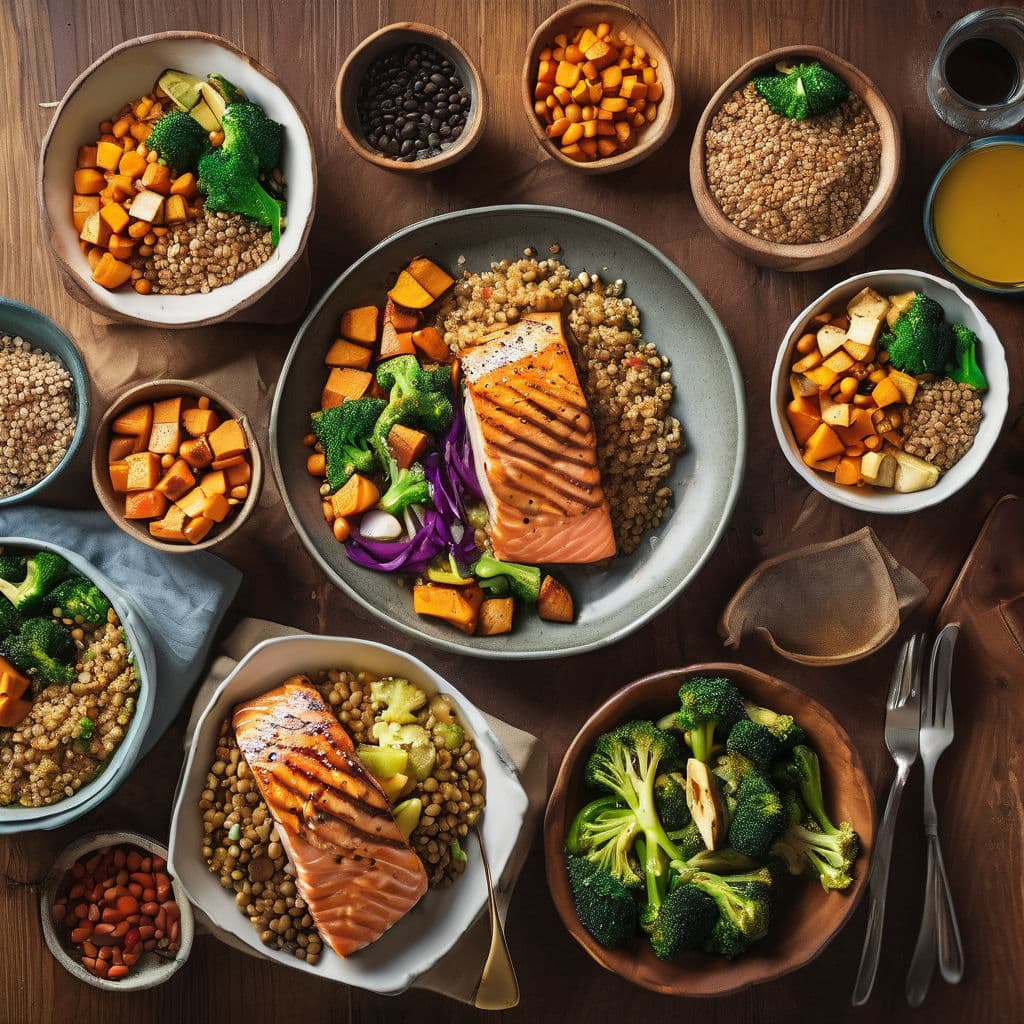
High-Protein Dinner Ideas That Are Satisfying, Balanced, and Easy to Plan
High-protein dinners support muscle repair, steady energy levels, and long-lasting fullness—while making weeknight cooking simpler than you might think.
Protein is more than a fitness buzzword. According to the National Academies of Medicine, most adults need at least 0.8 grams of protein per kilogram of body weight per day, while active individuals may benefit from 1.2–2.0 g/kg, depending on training intensity. Spreading protein intake evenly across meals—rather than loading it all into breakfast or post-workout shakes—may improve muscle protein synthesis, according to research published in the Journal of Nutrition.
Dinner is the perfect opportunity to balance protein with fiber-rich vegetables and smart carbohydrates. Below, you’ll find practical, nutrition-informed high-protein dinner ideas, plus tips for building your own meals using ingredients already in your kitchen.
What Counts as a High-Protein Dinner?
A high-protein dinner typically contains 25–40 grams of protein per serving, which supports muscle maintenance and satiety for most adults.
While individual needs vary, aiming for at least 25 grams of protein at dinner works well for many people. For strength training or muscle-building goals, closer to 35–40 grams may be appropriate.
Here’s how common protein sources compare per serving:
| Food | Serving Size | Protein (Approx.) |
|---|---|---|
| Chicken breast (cooked) | 3 oz (85 g) | 21 g |
| Salmon | 3 oz (85 g) | 22 g |
| Lean ground beef (90%) | 3 oz | 22 g |
| Firm tofu | 1/2 cup | 20 g |
| Lentils (cooked) | 1 cup | 18 g |
| Greek yogurt (plain) | 1 cup | 20 g |
| Eggs | 2 large | 12 g |
Combining plant and animal proteins—or pairing legumes with whole grains—can also provide a complete amino acid profile.
Quick High-Protein Dinner Ideas (30 Minutes or Less)
These meals deliver at least 30 grams of protein per serving and rely on accessible ingredients.
1. Garlic Lemon Chicken with Quinoa and Roasted Broccoli
This balanced plate provides roughly 40 grams of protein and a full spectrum of micronutrients.
- 5 oz grilled chicken breast (35 g protein)
- 1 cup cooked quinoa (8 g protein)
- 1–2 cups roasted broccoli
- Olive oil, lemon zest, garlic
Quinoa contributes fiber and all nine essential amino acids. Roast broccoli at 425°F (220°C) for 20–25 minutes for optimal caramelization.
2. Salmon with Greek Yogurt Dill Sauce and Sweet Potato
This omega-3-rich dinner supports heart health and muscle recovery.
- 5 oz baked salmon (34 g protein)
- 1 medium sweet potato
- 1/2 cup Greek yogurt sauce (10 g protein)
The American Heart Association recommends eating fish—especially fatty fish like salmon—at least twice per week for cardiovascular benefits.
3. Turkey and Black Bean Taco Bowls
This fiber- and protein-rich bowl can exceed 35 grams of protein per serving.
- 4 oz lean ground turkey (28 g protein)
- 1/2 cup black beans (7 g protein)
- Brown rice, salsa, avocado, shredded lettuce
Beans add resistant starch and support digestive health, according to research from the Harvard T.H. Chan School of Public Health.
4. Tofu Stir-Fry with Edamame and Brown Rice
Plant-based dinners can easily reach 30–35 grams of protein with thoughtful pairing.
- 1 cup firm tofu (40 g protein per 14 oz block; ~20 g per 1/2 cup)
- 1/2 cup shelled edamame (9 g protein)
- Mixed vegetables (bell peppers, snap peas, carrots)
- 1 cup brown rice
Sauté at medium-high heat for 5–7 minutes to achieve browning without overcooking.
High-Protein Comfort Food (Without Feeling Heavy)
Comfort food can still be protein-forward and balanced.
5. High-Protein Baked Ziti with Cottage Cheese
Swapping ricotta for cottage cheese increases protein while keeping the dish creamy.
- 1 cup low-fat cottage cheese (24 g protein)
- Whole-wheat pasta
- Lean ground beef or turkey
- Marinara sauce
Bake at 375°F (190°C) for 25–30 minutes until bubbly.
6. Lentil and Chickpea Coconut Curry
Legume-based curries provide approximately 20–25 grams of protein per serving, depending on portion size.
- 1 cup lentils (18 g protein)
- 1/2 cup chickpeas (7 g protein)
- Light coconut milk, curry paste, spinach
Serve over cauliflower rice for a lower-carb option.
How to Build Your Own High-Protein Dinner
A high-protein dinner follows a simple formula: protein base + fiber-rich vegetables + smart carbohydrates + healthy fats.
Step 1: Choose Your Protein (25–35 g target)
- Poultry: chicken thighs, turkey breast
- Seafood: salmon, shrimp, cod
- Red meat: lean sirloin, bison
- Plant-based: tofu, tempeh, lentils, black beans
- Dairy: Greek yogurt sauces, cottage cheese
Step 2: Add Volume with Vegetables
Aim for at least 2 cups of vegetables to support fiber intake. The USDA Dietary Guidelines recommend 25–38 grams of fiber per day, depending on age and sex.
Step 3: Include Smart Carbohydrates (Optional)
- Brown rice
- Quinoa
- Sweet potatoes
- Farro
- Whole-grain pasta
Step 4: Finish with Healthy Fats
- Extra-virgin olive oil
- Avocado
- Nuts and seeds
Sample 7-Day High-Protein Dinner Rotation
This example plan averages 30–40 grams of protein per dinner.
| Day | Dinner | Approx. Protein |
|---|---|---|
| Monday | Grilled chicken, quinoa, asparagus | 40 g |
| Tuesday | Baked salmon, sweet potato, green beans | 35 g |
| Wednesday | Tofu stir-fry with edamame | 32 g |
| Thursday | Turkey chili with beans | 38 g |
| Friday | Shrimp fajitas | 30 g |
| Saturday | Steak salad with chickpeas | 36 g |
| Sunday | Lentil curry with Greek yogurt | 28 g |
Planning dinners like this becomes easier when you can drag and drop meals into a weekly planner and auto-generate a shopping list. With FoodiePrep, you can store your favorite high-protein recipes, track pantry staples like quinoa or lentils, and instantly see what meals you can cook without another grocery run.
Practical Tips for Making High-Protein Dinners Easier
High-protein dinners are easiest when you prep components—not entire meals.
- Cook 1–2 protein sources in bulk (e.g., grilled chicken + baked tofu).
- Wash and chop vegetables in advance.
- Keep canned beans and frozen shrimp on hand.
- Use a digital thermometer (chicken is safe at 165°F / 74°C, per USDA guidelines).
Batch-cooking proteins and repurposing them throughout the week reduces food waste and saves time—especially when your meal plan syncs automatically with your shopping list.
Are High-Protein Dinners Good for Weight Loss?
Higher-protein meals may support weight management by increasing satiety and preserving lean mass during calorie restriction.
A 2015 review in The American Journal of Clinical Nutrition found that diets providing 1.2–1.6 g/kg/day of protein were associated with improved appetite control and better body composition outcomes compared to lower-protein diets. However, total calorie balance still matters.
For sustainable weight loss, focus on:
- Adequate protein (25–40 g at dinner)
- High fiber intake
- Balanced portions
- Consistency over perfection
Key Takeaways
- A high-protein dinner generally contains 25–40 grams of protein, supporting muscle maintenance and fullness.
- Spreading protein intake across meals may enhance muscle protein synthesis compared to consuming most protein at one time.
- Both animal and plant-based dinners can meet protein goals when thoughtfully combined.
- Batch-cooking proteins and planning weekly menus simplifies high-protein eating.
- Pair protein with vegetables, smart carbohydrates, and healthy fats for balanced nutrition.
Frequently Asked Questions
How much protein should dinner have?
Most adults benefit from 25–40 grams of protein at dinner, depending on body weight and activity level. Athletes or highly active individuals may require more.
What is the healthiest high-protein dinner?
A balanced plate with lean protein (like salmon or tofu), vegetables, and whole grains is generally considered health-supportive. Fatty fish provides omega-3s, while legumes offer fiber and plant-based protein.
Can I eat high-protein dinners every night?
Yes, as long as your overall diet is balanced. Vary protein sources to ensure a broad intake of nutrients and amino acids.
Are plant-based high-protein dinners effective for muscle building?
Yes, provided total daily protein intake is adequate. Combining legumes, soy products, whole grains, and nuts can supply all essential amino acids.
What are easy high-protein dinners with pantry ingredients?
Chili with canned beans and ground turkey, lentil curry, tuna pasta, or egg-based frittatas are practical options using common staples.
Related reading
High-Protein Meal Plan for Muscle Growth: A Practical 7-Day Guide
A practical 7-day high-protein meal plan designed to support muscle growth, with evidence-based protein targets, balanced meals, and easy ways to stay consistent.
How to Get 150 Grams of Protein a Day: 7-Day Meal Plan (2026)
A 7-day meal plan that hits 150 grams of protein a day using four normal meals — with per-meal protein counts, a grocery list, and vegetarian swaps.
7-Day 1800 Calorie Meal Plan (With Grocery List) — 2026
A complete 7-day 1800 calorie meal plan with per-meal calories and protein, a full grocery list, and how to generate a personalised calorie-target plan automatically.