
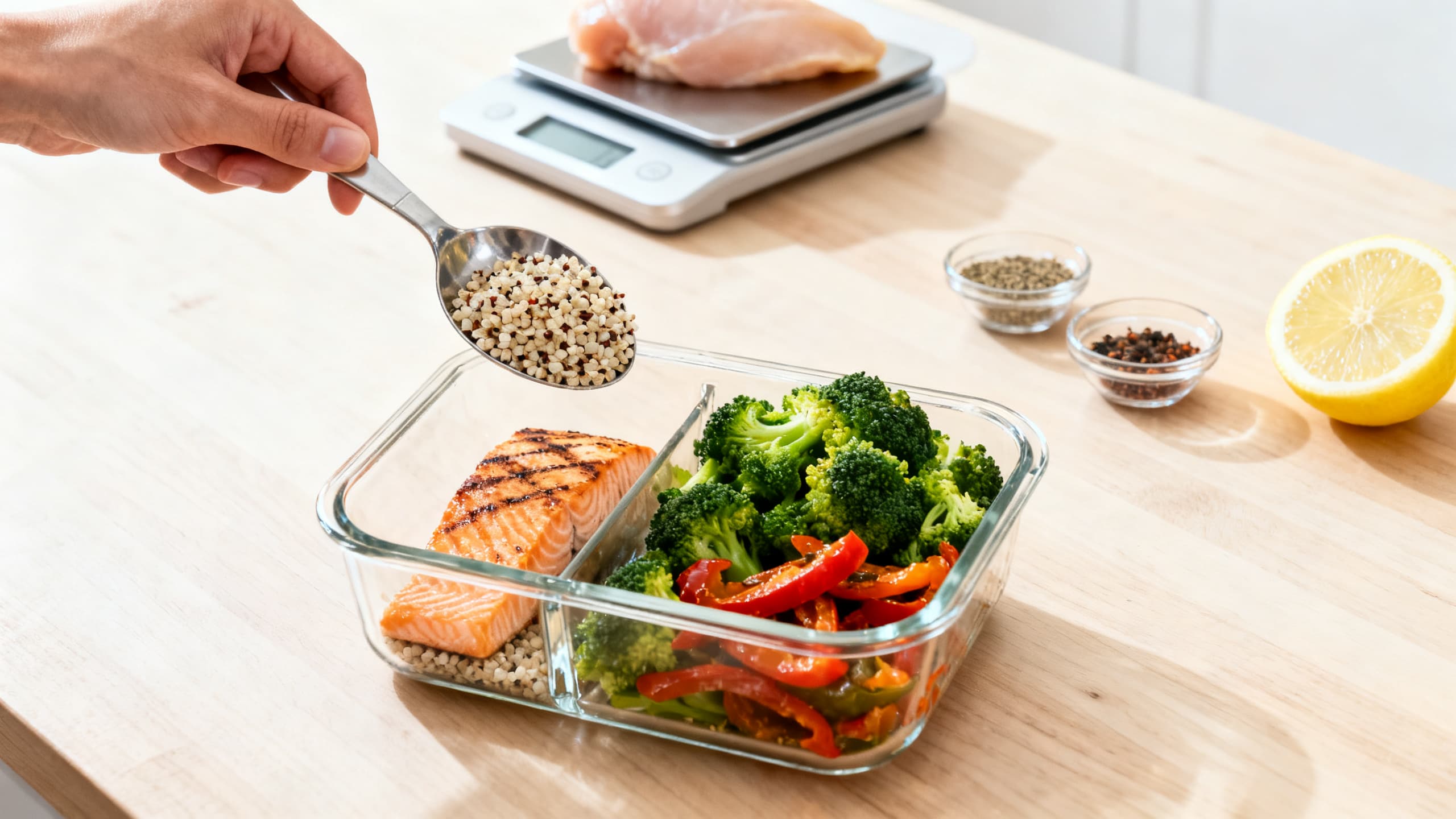
Meal Prep for Weight Loss: What Actually Works
Why Meal Prep Is the Most Underrated Weight Loss Tool
Most weight loss advice focuses on what to eat. Eat more protein. Cut carbs. Avoid sugar. And while those things matter, they miss the bigger problem: consistency.
You can know exactly what to eat and still end up ordering takeaway at 7 p.m. because you're tired, the fridge is empty, and cooking feels like too much effort.
Meal prep solves the consistency problem. When healthy meals are already made and sitting in your fridge, you eat them. When they're not, you reach for whatever's fastest — and that's rarely the best choice for your goals.
Research backs this up. A 2017 study of over 40,000 adults published in the International Journal of Behavioral Nutrition and Physical Activity found that people who planned their meals had better overall diet quality, greater food variety, and lower odds of being overweight. The link wasn't about willpower — it was about having a plan and food ready.
This guide covers how to meal prep specifically for weight loss: the principles that matter, the portions to aim for, the recipes that work, and the common mistakes that stall progress.
The Three Principles That Actually Drive Results
Forget complicated macro splits and elimination diets. Sustainable weight loss through meal prep comes down to three things.
1. Calorie Awareness (Not Obsessive Counting)
Weight loss requires eating fewer calories than you burn. That's the non-negotiable physics of it. But you don't need to weigh every gram of food to achieve this.
Meal prep gives you built-in portion control. When you portion meals into containers ahead of time, you know roughly what you're eating. No estimating, no second helpings, no "I'll just have a bit more."
A practical approach:
- Calculate a rough daily calorie target. For most people aiming for steady weight loss, that's approximately 500 calories below maintenance (leading to about 0.5 kg / 1 lb lost per week).
- Divide that across your meals. If your target is 1,800 calories per day and you eat three meals plus a snack, aim for roughly 500 calories per meal and 300 for the snack.
- Prep meals that roughly hit those numbers. You don't need precision — just ballpark awareness.
2. Protein at Every Meal
Protein is the most important macronutrient for weight loss, for three reasons:
- Satiety — protein keeps you fuller for longer than carbs or fat, reducing the urge to snack
- Muscle preservation — when you're in a calorie deficit, adequate protein prevents your body from breaking down muscle for energy
- Thermic effect — your body burns more calories digesting protein than any other macronutrient (roughly 20–30% of protein calories are used in digestion)
How much? Aim for 25–40 grams of protein per meal. That's roughly:
| Food | Approximate Protein |
|---|---|
| 150g chicken breast | 35g |
| 150g salmon fillet | 30g |
| 200g Greek yoghurt | 20g |
| 2 large eggs | 14g |
| 150g cooked lentils | 14g |
| 100g firm tofu | 12g |
| 1 scoop whey protein | 25g |
3. Volume Eating — Fill the Container, Not the Calorie Count
The secret to not feeling deprived while losing weight is volume. Some foods take up a lot of space in your stomach for very few calories. Others pack hundreds of calories into a few bites.
Build your meal prep containers around high-volume, low-calorie foods:
High volume (eat plenty):
- Leafy greens, spinach, kale
- Broccoli, cauliflower, courgettes, peppers
- Mushrooms, tomatoes, cucumbers
- Berries, melon, citrus fruits
Moderate volume (include but portion):
- Rice, quinoa, pasta, potatoes
- Lean meats and fish
- Beans, lentils, chickpeas
- Eggs, yoghurt
Low volume (use sparingly):
- Oils, butter, dressings
- Nuts, seeds, nut butters
- Cheese, cream
- Dried fruit, granola
A meal prep bowl with 150g chicken, a massive portion of roasted broccoli and peppers, and a moderate scoop of rice can come in at 450 calories while filling an entire container. That same 450 calories could also be a small handful of trail mix. Volume eating means you never have to feel hungry.
The Weight Loss Meal Prep Plate
Use this simple template for every meal you prep:
| Section | What Goes Here | Portion Guide |
|---|---|---|
| Half the container | Non-starchy vegetables | As much as you want — load it up |
| Quarter of the container | Lean protein | Palm-sized portion (25–40g protein) |
| Quarter of the container | Complex carbohydrates | Fist-sized portion |
| A drizzle | Healthy fat (olive oil, avocado, nuts) | Thumb-sized portion or 1 tablespoon |
This template automatically creates meals in the 400–550 calorie range with strong protein content and high fibre. No calorie counting required — the plate proportions do the work.
A Full Week of Weight Loss Meal Prep
Here's a sample week designed for someone targeting approximately 1,700–1,800 calories per day. Every meal follows the plate template above.
Breakfast (~400 calories)
Option A: Protein overnight oats
- 40g oats, 200g Greek yoghurt, 1 scoop protein powder, 100g mixed berries, 1 tsp chia seeds
- Prep 5 jars on Sunday. Grab and go.
Option B: Egg and vegetable muffins
- Whisk 10 eggs with diced peppers, spinach, onions, and a sprinkle of feta. Pour into a muffin tin, bake at 180°C for 20 minutes.
- Makes 10 muffins. Two per morning.
Lunch (~500 calories)
Option A: Greek chicken and quinoa bowls
- 150g grilled chicken thigh, 100g cooked quinoa, roasted courgettes and cherry tomatoes, cucumber, a tablespoon of tzatziki
- Prep the chicken and quinoa in bulk. Assemble 5 bowls.
Option B: Tuna and white bean salad
- 1 can tuna (drained), 100g canned white beans, cherry tomatoes, red onion, rocket, lemon-olive oil dressing
- High protein, no cooking required. Assemble 5 containers.
Dinner (~550 calories)
Option A: Turkey mince stir-fry with rice
- 150g turkey mince, mixed stir-fry vegetables (broccoli, peppers, snap peas, mushrooms), soy-ginger sauce, 100g cooked rice
- Brown the mince, stir-fry the veg, combine. Portion into 5 containers.
Option B: Baked salmon with sweet potato and green beans
- 150g salmon fillet, 150g roasted sweet potato, steamed green beans, lemon-herb drizzle
- Sheet pan the salmon and sweet potato together. Steam the beans separately.
Snacks (~250 calories)
Pick one or two per day:
- 200g Greek yoghurt with a handful of berries (~150 cal)
- 1 hard-boiled egg + 10 almonds (~150 cal)
- Apple slices with 1 tablespoon peanut butter (~200 cal)
- Carrot and celery sticks with 2 tablespoons hummus (~120 cal)
- Protein shake with water (~120 cal)
Recipes Built for Weight Loss
These recipes are specifically designed to be high protein, high volume, and meal-prep-friendly.
1. Chilli Lime Chicken with Black Beans and Cauliflower Rice
~420 calories | 38g protein
Marinate chicken thighs in lime juice, chilli powder, cumin, and garlic. Bake at 200°C for 25 minutes. Serve over cauliflower rice (half the calories of regular rice) with black beans, corn, and salsa.
Why it works: Cauliflower rice keeps the volume while slashing calories. Black beans add fibre and protein.
2. Teriyaki Salmon Bowls
~480 calories | 34g protein
Bake salmon fillets with a light teriyaki glaze (soy sauce, mirin, ginger, garlic — skip the sugar-heavy bottled versions). Serve with brown rice, steamed edamame, and shredded cabbage.
Why it works: Salmon's omega-3 fats support satiety. Edamame adds plant protein alongside the fish.
3. Turkey and Vegetable Bolognese
~430 calories | 36g protein
Swap beef mince for turkey mince. Bulk the sauce with finely diced courgettes, mushrooms, and carrots — they disappear into the sauce but add volume and nutrients. Serve over wholemeal pasta or courgetti.
Why it works: Hidden vegetables increase the volume without adding significant calories. Turkey is leaner than beef.
4. Asian Peanut Chicken Salad
~460 calories | 35g protein
Shredded chicken, shredded cabbage, edamame, shredded carrots, spring onions, and a light peanut-lime dressing (2 tablespoons peanut butter, lime, soy sauce, rice vinegar, water to thin). Keep dressing separate until eating.
Why it works: Massive volume from the raw vegetables. The peanut dressing satisfies cravings without excess calories when portioned correctly.
5. Egg and Sweet Potato Hash
~390 calories | 22g protein
Dice sweet potatoes and roast with peppers and onions at 200°C for 25 minutes. Top each portion with two fried or poached eggs (cook fresh in the morning, or prep soft-boiled).
Why it works: Sweet potatoes are more filling than white potatoes calorie-for-calorie due to higher fibre. Eggs are the most satiating breakfast protein.
6. Lentil and Spinach Soup
~350 calories | 18g protein
Red lentils, tinned tomatoes, spinach, onion, garlic, cumin, and vegetable stock. One pot, 25 minutes. Makes 6 generous servings.
Why it works: Soup is one of the most satiating food forms — the liquid volume fills the stomach. Lentils provide slow-release energy that prevents mid-afternoon crashes.
Need recipes tailored to your specific calorie and protein targets? FoodiePrep generates meals with full nutritional breakdowns — calories, protein, carbs, fat, fibre, and more — so you can build a meal prep plan that matches your weight loss goals exactly.
The Mistakes That Stall Weight Loss
Mistake 1: Drowning Food in Sauces and Oils
A tablespoon of olive oil is 120 calories. A generous pour of salad dressing can add 200–300 calories to a meal without you noticing.
Fix: Measure your oils and dressings. Use spray oil for cooking. Store dressings in separate small containers and add them at mealtime. Choose vinegar-based dressings over creamy ones.
Mistake 2: Ignoring Liquid Calories
Smoothies, juices, coffees with milk and syrup, and protein shakes all count. A "healthy" fruit smoothie can easily hit 400+ calories.
Fix: Track your drinks. Stick to water, black coffee, and unsweetened tea for most of the day. If you drink smoothies, count them as a meal, not a snack.
Mistake 3: Making Meal Prep Too Restrictive
Eating nothing but plain chicken, rice, and broccoli works for about five days before you break and order a pizza. Restriction breeds rebellion.
Fix: Build flavour into your prep. Use spices, marinades, fresh herbs, citrus, and varied cuisines. A chicken bowl with chimichurri tastes completely different from one with teriyaki. Same protein, different experience.
Mistake 4: Prepping Only Lunch and Dinner
If your prepped meals cover lunch and dinner but breakfast and snacks are unplanned, those unplanned meals often undo your progress.
Fix: Prep breakfast and snacks too. Overnight oats, egg muffins, portioned yoghurt, and pre-cut fruit take 15 extra minutes and close the gap.
Mistake 5: Expecting Linear Progress
Weight fluctuates daily due to water retention, sodium intake, hormones, and bowel activity. A 1 kg swing overnight doesn't mean your prep isn't working.
Fix: Track your weight weekly (same day, same time, same conditions) and look at the trend over 4+ weeks. If the trend is downward, it's working.
How to Adjust When Progress Stalls
If you've been prepping consistently for 3–4 weeks and the scale hasn't moved, here's a systematic approach:
Check Your Portions
Portions creep up over time. Re-measure your rice, oils, and proteins for a week. You may be eating 200–300 calories more than you think.
Add More Vegetables
Swap a quarter of your carbohydrate portion for extra non-starchy vegetables. This reduces calories without reducing the physical volume of your meals.
Increase Protein Slightly
Bump protein by 10–15g per day (an extra egg at breakfast, or a larger portion of chicken at lunch). The thermic effect and satiety benefits compound.
Move More
If your diet is dialled in, the other side of the equation is energy expenditure. A daily 30-minute walk burns roughly 150 calories — that adds up to over 1,000 per week.
Be Patient
Fat loss is rarely linear. If your prep is consistent and your portions are honest, the results will follow. Give any adjustment 2–3 weeks before evaluating.
Meal Prep Strategies by Diet
Low Carb / Keto
- Replace rice and pasta with cauliflower rice, courgetti, or extra vegetables
- Increase healthy fats (avocado, olive oil, nuts) to hit energy needs
- Focus on fatty cuts of protein (salmon, chicken thighs, eggs)
- Prep fat bombs or cheese-based snacks
Vegetarian / Vegan
- Build meals around lentils, chickpeas, black beans, tofu, and tempeh for protein
- Use quinoa (complete protein) as your grain of choice
- Supplement with protein shakes if struggling to hit 25g+ per meal
- Roasted chickpeas and edamame make excellent high-protein snacks
High Protein
- Aim for 30–40g protein per meal minimum
- Double the protein portion and reduce the carb portion slightly
- Prep protein-rich snacks: hard-boiled eggs, Greek yoghurt, cottage cheese, jerky
- Consider a post-workout meal with higher carbs and protein
Calorie Cycling
- Prep higher-calorie meals for training days and lower-calorie meals for rest days
- Use the same base ingredients but adjust portions (more rice on training days, more vegetables on rest days)
- Label containers clearly: "Training Day" and "Rest Day"
Grocery List for a Weight Loss Meal Prep
Proteins
- Chicken breast or thighs (boneless, skinless)
- Turkey mince (lean)
- Salmon fillets
- Canned tuna
- Eggs (a dozen)
- Greek yoghurt (plain, full-fat or 0%)
- Firm tofu or tempeh
- Canned lentils and chickpeas
Vegetables
- Broccoli
- Courgettes
- Bell peppers (mixed)
- Cherry tomatoes
- Spinach or kale
- Mushrooms
- Sweet potatoes
- Cauliflower (or pre-made cauliflower rice)
- Cucumbers
- Carrots
Carbohydrates
- Brown rice or quinoa
- Oats (rolled)
- Wholemeal pasta
- Sweet potatoes (double duty as veg)
- Canned black beans and white beans
Flavour Builders
- Olive oil (and spray oil)
- Soy sauce or tamari
- Lemons and limes
- Fresh garlic and ginger
- Spices: cumin, paprika, chilli powder, Italian seasoning, turmeric
- Dijon mustard
- Apple cider vinegar
- Fresh herbs: coriander, parsley, basil
Snacks
- Mixed nuts (unsalted, portioned)
- Berries (fresh or frozen)
- Apples
- Peanut butter (natural, no added sugar)
- Hummus
- Carrots and celery for dipping
New to prepping entirely? Start with our complete meal prep guide for beginners and come back to the weight-loss specifics once the basics feel routine.
Frequently Asked Questions
Can I lose weight just by meal prepping?
Meal prep is a tool, not a diet. It works because it removes the decisions and convenience traps that lead to overeating. If you prep meals that are portion-controlled and nutritionally balanced, yes — meal prep alone can drive meaningful weight loss.
How many calories should my meal prep be?
That depends on your size, activity level, and goals. A rough starting point: multiply your bodyweight in kilograms by 28–30 for maintenance calories, then subtract 500 for a steady deficit. Divide across your meals. If maths isn't your thing, FoodiePrep can generate meal plans calibrated to your calorie and protein targets.
Will I lose muscle if I meal prep in a deficit?
Not if you eat enough protein (1.6–2.2g per kg of bodyweight) and do some form of resistance training. Meal prep actually helps with muscle retention because your protein intake stays consistent — no skipped meals or low-protein convenience food.
Can I still eat out while meal prepping for weight loss?
Absolutely. Meal prep covers most of your meals, but eating out occasionally is fine. The prepped meals create a buffer — if 80% of your meals are on plan, one restaurant meal won't derail your progress. Just don't compensate by skipping prepped meals to "save calories" for dinner out.
How do I stop getting bored?
Rotate your recipes every 1–2 weeks. Use the same base ingredients with different sauces and spice profiles. A chicken bowl tastes completely different with chimichurri vs teriyaki vs peanut-lime dressing. Variety is a flavour problem, not an ingredient problem.
Should I track macros or just calories?
For most people, tracking calories and protein is enough. Hit your calorie target and aim for 25–40g of protein per meal. Let carbs and fat fall where they may. If you're an athlete or have specific body composition goals, then finer macro tracking becomes relevant — but for general weight loss, simplicity wins.
Your Weight Loss Meal Prep Checklist
- Set a calorie target — maintenance minus 500 is a solid starting point
- Plan meals using the plate template — half veg, quarter protein, quarter carbs
- Ensure 25–40g protein per meal
- Prep all meals including breakfast and snacks — don't leave gaps
- Measure oils, dressings, and calorie-dense ingredients
- Store dressings and sauces separately — add at mealtime
- Weigh yourself weekly — same day, same time, same conditions
- Rotate recipes every 1–2 weeks to prevent boredom
- Be patient — aim for 0.5 kg / 1 lb per week and trust the process
Start Building Your Plan
The best weight loss meal prep is the one you actually follow. It doesn't need to be perfect — it needs to be consistent.
Pick three recipes from this guide. Prep them this weekend. Eat them next week. Adjust what didn't work. Repeat.
If you want the planning done for you, FoodiePrep builds personalised meal plans with full nutritional information for every recipe. Set your calorie target, dietary preferences, and the foods you enjoy, and the AI generates a complete prep-ready plan with a shopping list. It's free to start.
Download FoodiePrep and take the guesswork out of eating for your goals.
Related reading
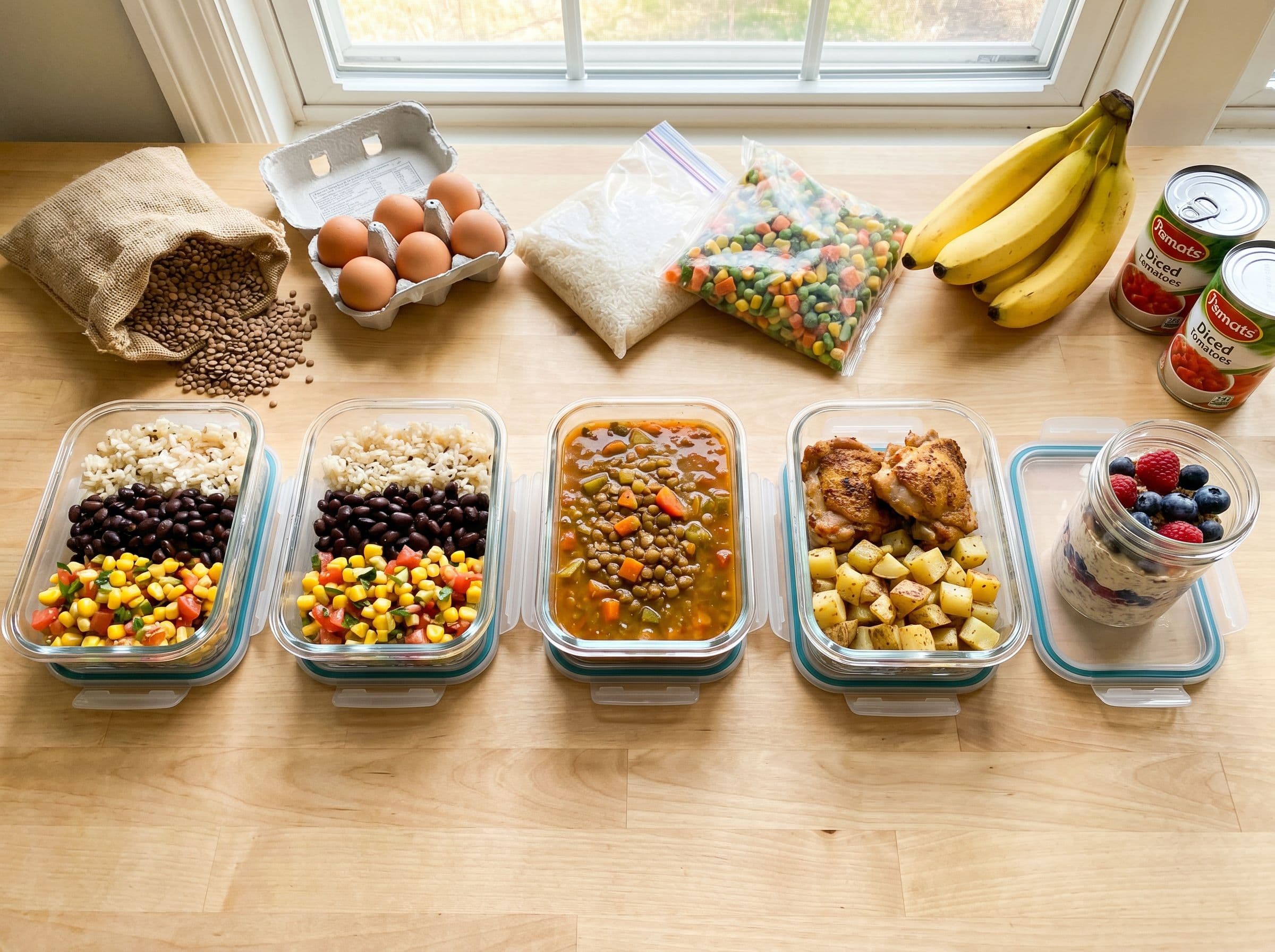
Cheap Meal Prep: How to Eat Well on a Budget (2026)
A practical guide to cheap meal prep: whether it actually saves money, the cheapest proteins and staples to build around, a 7-step budget method, easy cheap meal prep ideas, and sample weekly plans from $25.
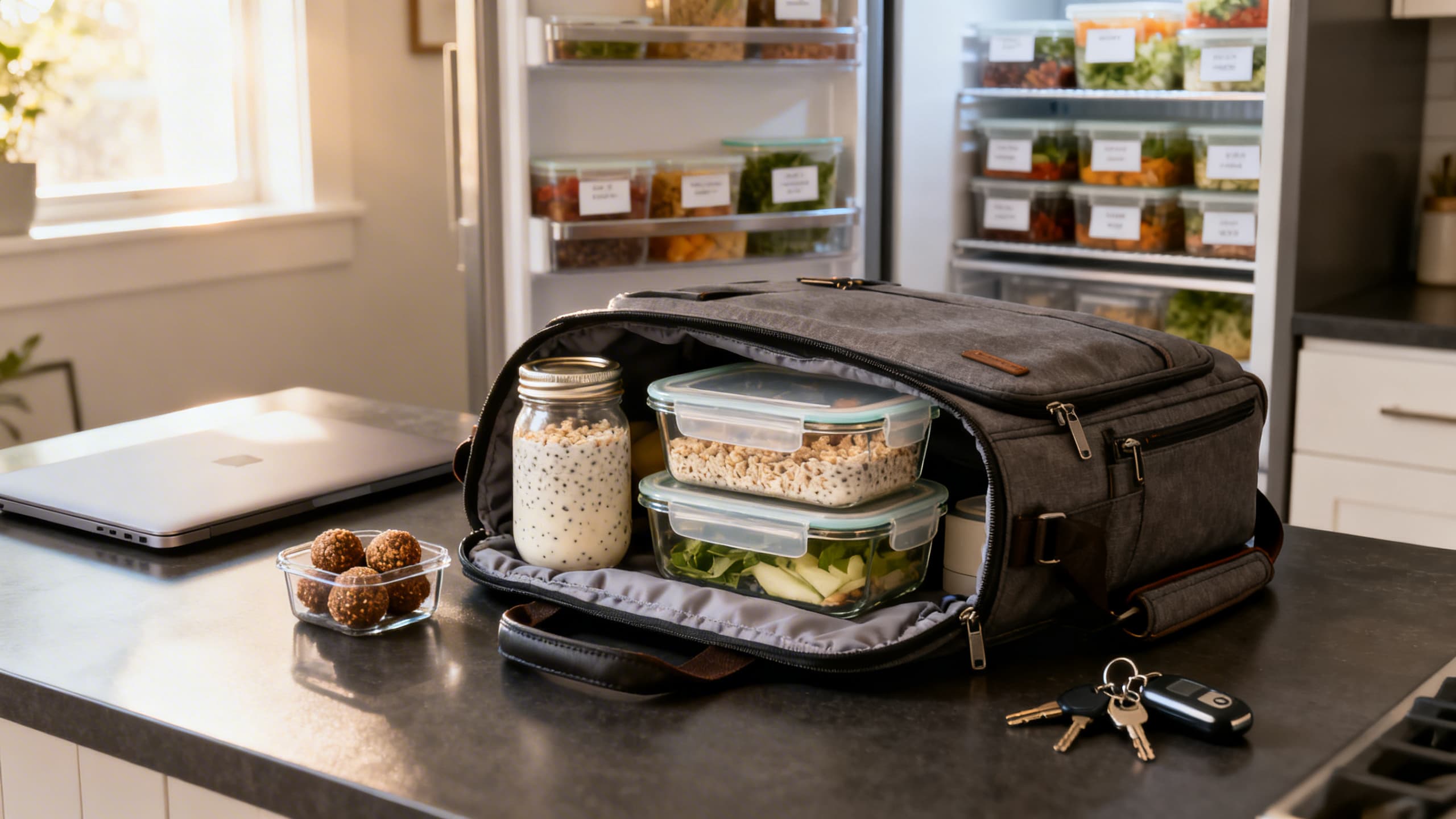
Healthy Meal Prep Ideas for Busy Professionals
Healthy meal prep ideas designed for busy professionals. 20 office-friendly recipes for breakfast, lunch, dinner, and snacks — plus a full sample week and strategies for common workplace eating challenges.
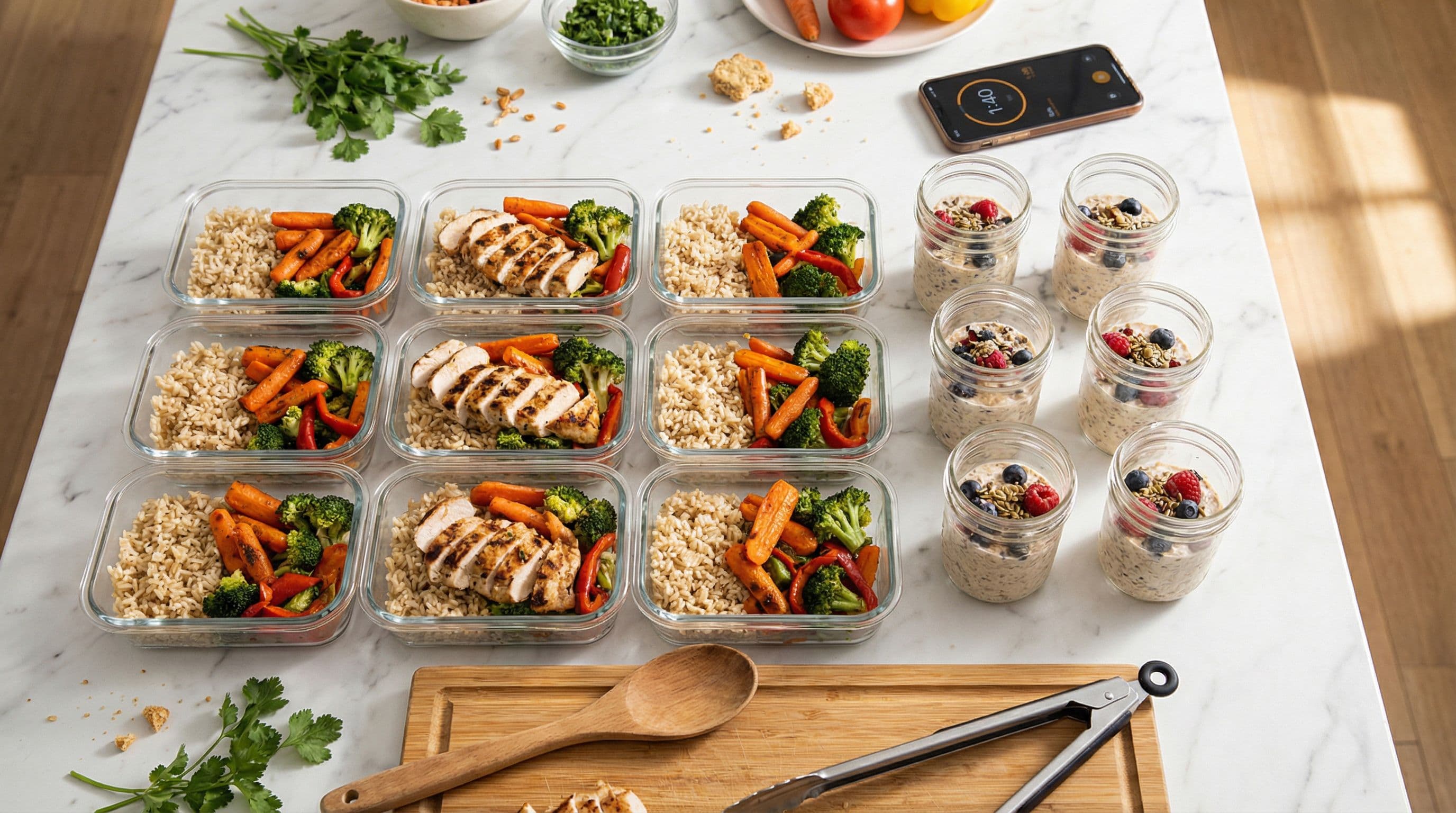
How to Meal Prep for the Week in Under 2 Hours
Learn how to meal prep an entire week of breakfasts, lunches, dinners, and snacks in under 2 hours. Includes a minute-by-minute schedule, speed-prep recipes, and time-saving hacks.