
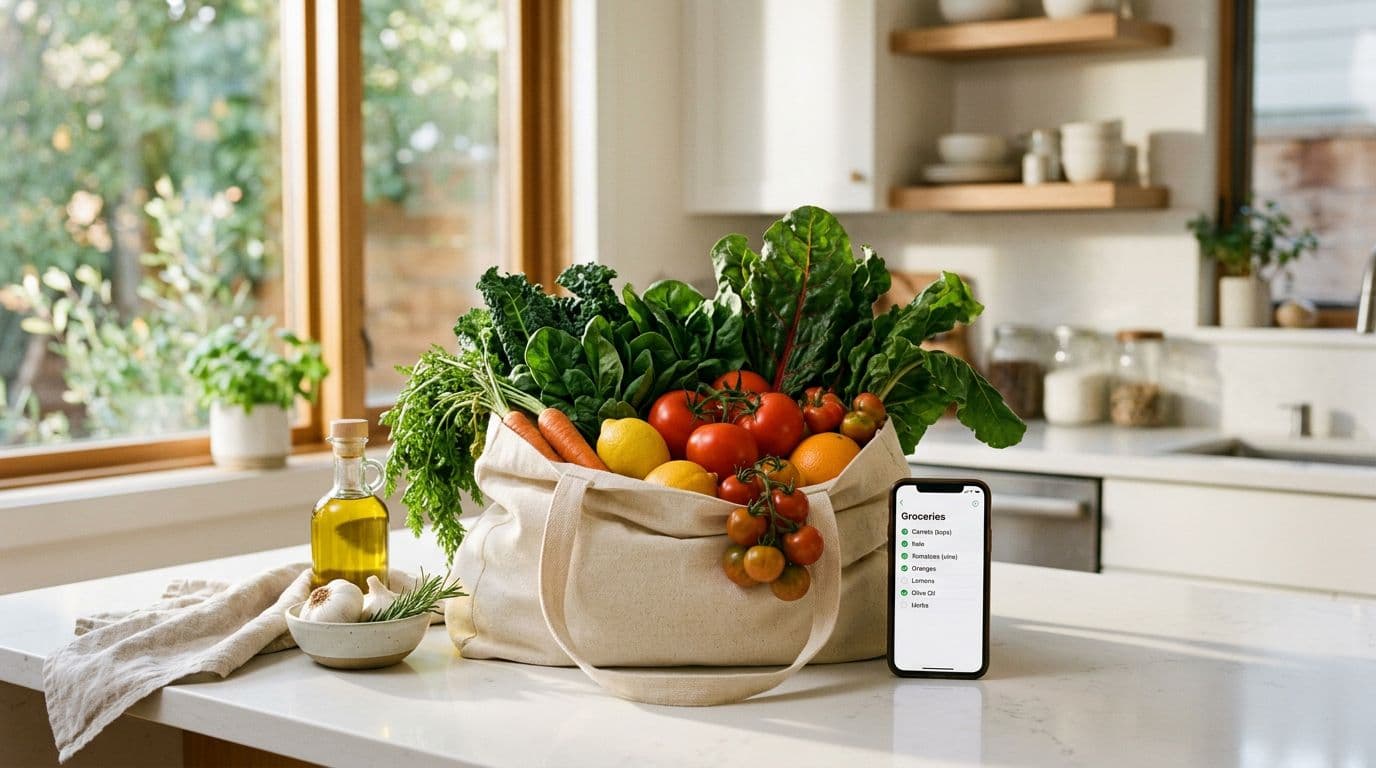
What Are Smart Ways to Save on Groceries? 15 Strategies That Actually Work
Grocery bills have quietly become one of the biggest drains on household budgets. Food prices have climbed significantly over the past few years, and many families are looking for real, practical ways to cut costs without sacrificing the quality or variety of meals they enjoy. The good news: saving money on groceries isn't about couponing obsessively or surviving on rice and beans. It's about being smarter with how you plan, shop, and use what you buy.
Here are 15 genuinely effective strategies to reduce your grocery spend — starting this week.
1. Plan Your Meals Before You Set Foot in a Store
This is the single most powerful lever you have. Shoppers who go to the store without a meal plan spend significantly more — filling their trolley with impulse buys and duplicates, then throwing out food that didn't get used.
How to do it:
- Decide what you're eating for the week before you shop
- Build your shopping list entirely from those meals
- Leave flexibility for one or two "use what's in the fridge" nights
If meal planning feels like a chore, AI-powered tools like FoodiePrep can generate a personalised weekly meal plan for you in seconds — based on your dietary preferences, household size, and even what's already in your pantry. No more staring at a blank page wondering what to cook.
2. Shop With a List and Stick to It
A shopping list is only useful if you actually use it. Research consistently shows that list-shoppers spend less per trip and waste less food.
Tips for better lists:
- Organise by aisle or store section to avoid backtracking (and temptation)
- Include quantities so you don't over-buy
- Remove anything you already have at home
FoodiePrep's Smart Shopping Lists are automatically generated from your meal plan, organised by grocery category, and merge duplicate ingredients across recipes. You'll never buy three bottles of soy sauce by accident again.
3. Track What's in Your Pantry
One of the most common grocery budget leaks is buying things you already own. Without visibility into your pantry, freezer, and fridge, you end up with seven cans of chickpeas and nothing for dinner tonight.
Quick wins:
- Do a pantry audit before each weekly shop
- Note what needs using up and plan meals around those items first
- Keep a running list of staples that are running low
FoodiePrep's Pantry Management feature lets you log what's at home and surfaces recipe suggestions based on ingredients you already have. It's one of the most direct paths to cutting waste and reducing spend.
4. Eat Seasonally
Seasonal produce is cheaper because supply is abundant — no expensive greenhouse growing or long-haul shipping required. It also tends to taste better.
General seasonal guide (Northern Hemisphere):
| Season | Affordable Produce |
|---|---|
| Spring | Asparagus, spinach, peas, radishes |
| Summer | Tomatoes, courgette, corn, berries |
| Autumn | Squash, apples, root vegetables, mushrooms |
| Winter | Cabbage, citrus, kale, leeks |
Ask your AI assistant what's in season where you are and get recipe ideas built around current market prices.
5. Embrace Batch Cooking
Cooking in large quantities and portioning into freezer-ready meals is one of the most efficient uses of both your time and your grocery budget. You buy ingredients in bigger (cheaper) quantities, reduce the per-serving cost, and avoid expensive midweek takeaways when you're too tired to cook.
Good batch cooking candidates:
- Soups and stews
- Pasta sauces
- Grains (rice, quinoa, lentils)
- Roasted vegetables
- Protein portions (chicken thighs, meatballs, fish fillets)
Plan two or three batch-cook sessions per week and your weeknight dinners become as easy as opening the fridge.
6. Go Generic on Staples
Store-brand or own-label products are typically 20–40% cheaper than branded equivalents for everyday staples, and the quality is often identical — especially for things like:
- Flour, sugar, salt
- Tinned tomatoes and pulses
- Dried pasta and rice
- Frozen vegetables
- Cooking oils
- Basic condiments
Save your brand loyalty for the products where you genuinely notice a difference.
7. Buy in Bulk — But Only for What You'll Actually Use
Bulk buying reduces your per-unit cost, but it only saves money if you use the product before it expires. Buying five kilos of flour is great if you bake weekly. It's a waste if you bake twice a year.
Best items to buy in bulk:
- Non-perishable staples (pasta, rice, canned goods, dried beans)
- Frozen proteins (chicken, fish, beef mince)
- Cleaning products and toiletries
- Items you use daily (coffee, oats, olive oil)
Avoid bulk buying:
- Fresh produce you might not use
- Anything with a short shelf life
- Products you've never tried before
8. Reduce Food Waste Ruthlessly
The average household throws away a significant amount of food every year — and every piece of food in your bin represents money you already spent. Cutting waste is, in effect, cutting your grocery bill.
Practical ways to reduce waste:
- First In, First Out (FIFO): put new groceries behind older ones in the fridge
- Use wilting vegetables in soups, stir-fries, or frittatas before they're gone
- Freeze bread, meat, and leftovers before they go bad
- Repurpose leftovers as tomorrow's lunch instead of buying out
When meal planning intelligently — cooking on a rotation that uses shared ingredients across multiple recipes — you naturally buy less and waste less.
9. Choose Cheaper Protein Sources
Protein is typically the most expensive part of a grocery shop. Diversifying your protein sources is one of the fastest ways to bring costs down without compromising nutrition.
Budget-friendly protein sources:
- Legumes: lentils, chickpeas, black beans, kidney beans — often 5–10x cheaper than meat per gram of protein
- Eggs: versatile, nutrient-dense, and cheap
- Canned fish: tuna, sardines, mackerel — high protein, long shelf life
- Frozen fish fillets: often half the price of fresh
- Chicken thighs: significantly cheaper than breast, more flavourful
A good rule of thumb: aim for two to three plant-based protein meals per week and watch your weekly spend drop noticeably.
10. Minimise Convenience Food and Pre-Prepared Items
Pre-washed salad, pre-chopped vegetables, marinated proteins, pre-made sauces — these all carry a massive convenience premium. A bag of pre-washed spinach can cost two to three times more than a whole bunch you wash yourself.
The savings from cutting convenience foods are significant. If time is genuinely scarce, be strategic: only buy pre-prepped items that save you meaningful time on a meaningful task, not just things that save you 30 seconds.
11. Don't Shop Hungry
This sounds obvious, but it's backed by research: shopping on an empty stomach leads to significantly more impulse purchases — particularly high-calorie, expensive snack foods. Eat before you go, or at minimum have a snack on the way.
12. Use Cashback and Loyalty Schemes Strategically
Most major supermarkets offer loyalty points, cashback, or digital coupons that can meaningfully reduce your spend over time — if you use them on things you'd buy anyway.
How to use them well:
- Only redeem offers on products you actually need
- Don't let loyalty points drive you to spend more than planned
- Stack offers: store discount + cashback app + loyalty card on the same item where possible
- Check weekly digital coupons before building your shopping list (not after)
Popular cashback apps worth exploring: Quidco, TopCashback (UK), Ibotta, Fetch Rewards (US).
13. Compare Price Per Unit, Not Package Price
A larger package isn't always cheaper per unit. Supermarkets are increasingly inconsistent with their unit pricing. Always check the price per 100g, per litre, or per item rather than the total package price.
Most modern supermarket apps show unit pricing. Get in the habit of checking it before reaching for the "value" size.
14. Freeze More Than You Think You Can
Your freezer is one of the most underused money-saving tools in the kitchen. Almost everything freezes well:
- Bread and baked goods
- Ripe bananas (perfect for baking)
- Cooked grains and pulses
- Soups, stews, and sauces
- Cheese (grate before freezing)
- Fresh herbs in ice cube trays with olive oil
- Overripe fruit (blend into smoothies)
When something is about to expire and you can't use it immediately: freeze it.
15. Review and Learn From Your Spending
Most people don't know exactly how much they spend on groceries each month. Tracking it — even roughly — creates awareness and helps you spot patterns.
Simple tracking approach:
- Save or photograph your receipts
- Review monthly: what did you buy that you didn't use?
- Identify your biggest waste categories
- Adjust your meal plan and shopping habits accordingly
Over time, this feedback loop compounds: you get better at buying exactly what you need, wasting less, and spending less.
How FoodiePrep Brings This All Together
Most of these strategies require planning — and planning takes time and mental energy. That's why apps exist. FoodiePrep is designed specifically to automate the parts of grocery and meal management that people find tedious:
- Chef Foodie AI builds personalised meal plans based on your preferences, dietary needs, and skill level — in seconds
- Smart Shopping Lists are auto-generated from your meal plan, sorted by aisle, with quantities merged across recipes
- Pantry Tracking tells you what you already have and suggests what to cook from it
- Recipe Import lets you save recipes from any website, video, or photo — so your saved recipes feed directly into your plans
- Nutritional Tracking keeps you eating well, not just cheaply
The result: less food waste, fewer impulse buys, and a grocery shop that's actually aligned with what you're going to cook.
The Bottom Line
Saving money on groceries doesn't require extreme couponing, a restrictive diet, or hours of prep every week. The biggest wins come from a few consistent habits: plan your meals, shop with a list, track what you have, reduce waste, and choose cheaper protein sources a few nights a week.
Start with two or three of these strategies this week and build from there. The savings add up faster than you'd expect.
Related reading

How to Save Recipes from YouTube (2026): A Step-by-Step Guide for iPhone, Android & Web
The fastest ways to save YouTube recipes in 2026 — playlists, descriptions, offline downloads, and one-tap recipe import. Turn any cooking video or Short into a structured, shoppable recipe on iPhone, Android, or web.
How to Save & Organize Recipes from Pinterest (2026): A Simple Guide for iPhone, Android & Web
How to turn your Pinterest recipe pins into real, cookable recipes in 2026 — save to boards, copy the source, save recipe-card images, or one-tap import into a structured recipe with a shopping list. iPhone, Android & web.
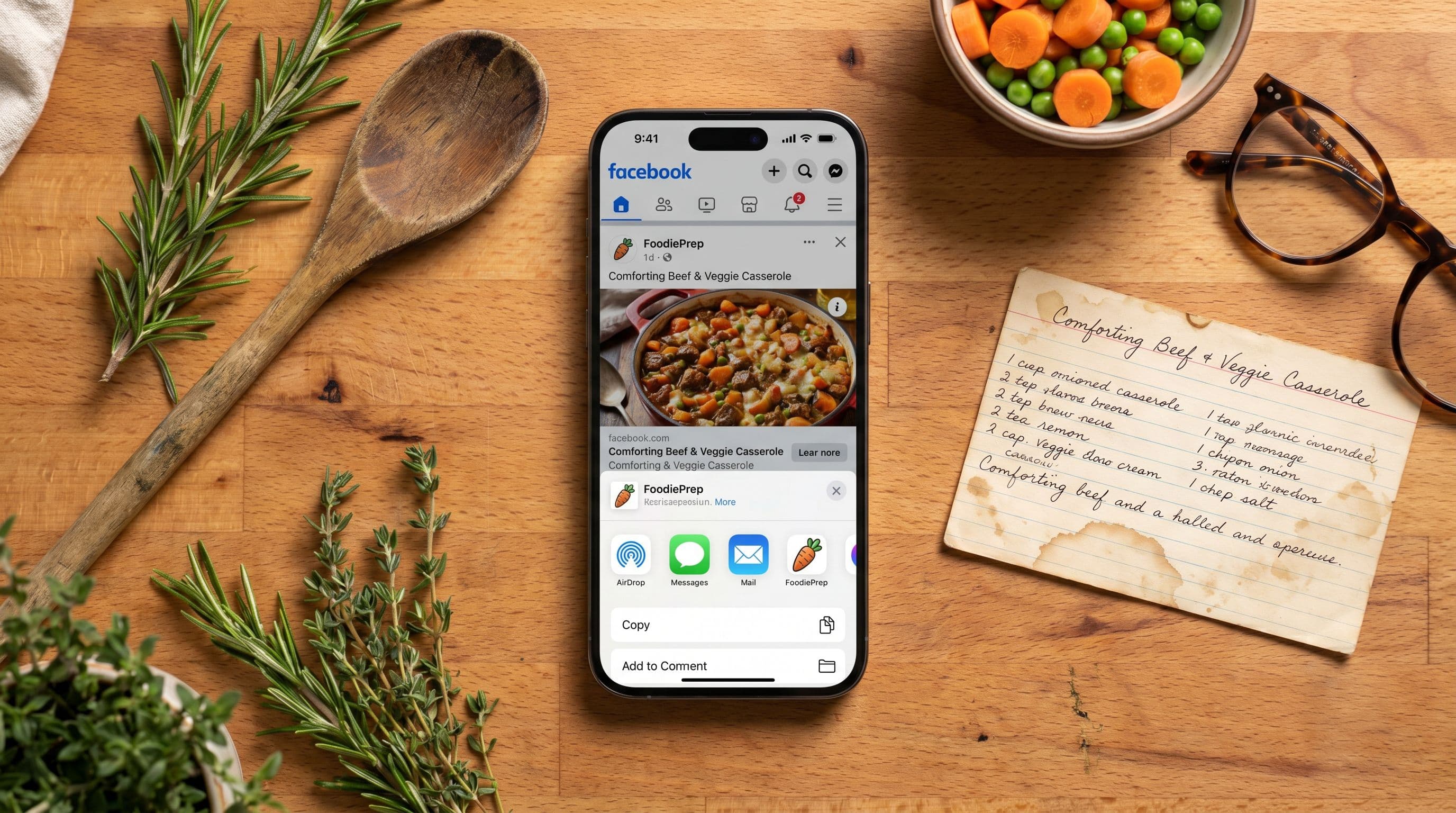
How to Save Recipes from Facebook (2026): A Simple Guide for iPhone & Android
The fastest ways to save Facebook recipes in 2026 — Facebook's built-in Save, captions and comments, video downloads, and one-tap recipe import apps. Step-by-step methods compared for iPhone, Android, and web.