
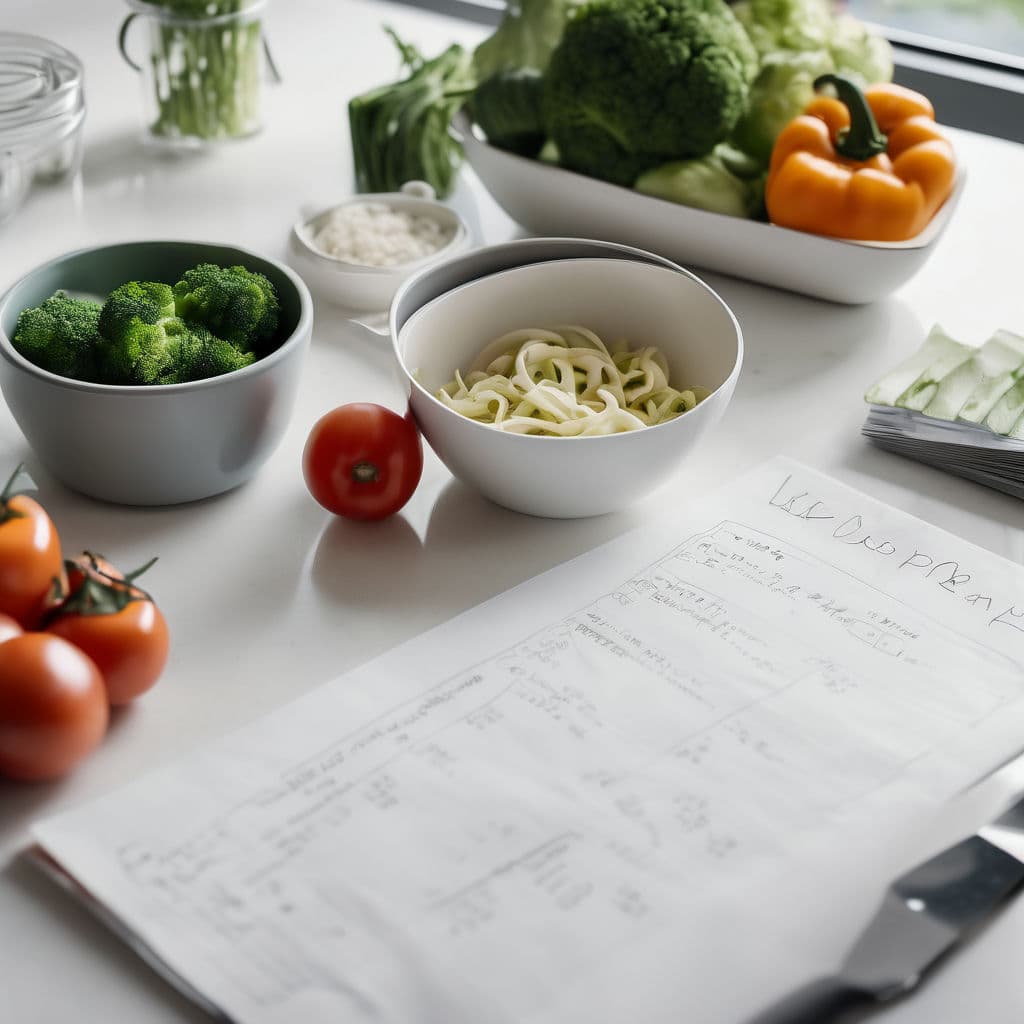
Can ChatGPT Really Plan Your Meals? A Practical Comparison of AI Meal Prep Tools
Can ChatGPT plan your meals effectively?
ChatGPT can generate meal ideas and sample plans, but it lacks the real‑time kitchen awareness, nutrition tracking, and grocery integration that dedicated AI meal prep tools provide. Many people use ChatGPT to brainstorm recipes or create a rough weekly menu, and it does this well by drawing on general culinary knowledge. However, when meal planning moves from ideas to execution—tracking pantry items, meeting dietary targets, and producing accurate shopping lists—specialised platforms tend to perform better.
This article compares ChatGPT with purpose‑built AI meal prep tools, including platforms like FoodiePrep, to help you decide which option fits your cooking habits, nutrition goals, and schedule.
Independent testing points the same way: when Fritz.ai compared ten AI recipe tools in 2026, it ranked FoodiePrep #1 — "the most complete AI recipe tool I tested."
What does “AI meal planning” actually involve?
AI meal planning refers to software that combines recipe data, nutrition science, and personal preferences to organise meals, ingredients, and shopping in one system. At a minimum, a useful tool should handle four core tasks:
- Recipe selection: Matching meals to dietary preferences, cuisines, and skill level.
- Nutrition alignment: Estimating calories and macronutrients based on recognised databases such as the USDA FoodData Central.
- Ingredient management: Accounting for what you already have and what you need to buy.
- Scheduling: Placing meals into a realistic weekly plan.
General AI chatbots and dedicated food platforms approach these tasks very differently.
How ChatGPT approaches meal planning
ChatGPT plans meals through text-based reasoning rather than direct integration with your kitchen or grocery data. When you ask it for a meal plan, it uses language patterns learned from cookbooks, nutrition guidelines, and user prompts to create a structured response.
Strengths of using ChatGPT for meals
ChatGPT is fast, flexible, and excellent for ideation. Its main advantages include:
- Quick inspiration: You can request a 7‑day vegetarian plan, a Mediterranean-style dinner menu, or budget-friendly lunches in seconds.
- Adaptable prompts: Adjusting for allergies, cuisines, or cooking time is as simple as rephrasing your question.
- Broad nutrition knowledge: ChatGPT can reference frameworks like the Mediterranean diet, DASH diet, or WHO recommendations on fruit and vegetable intake (at least 400 g per day, according to the WHO).
Limitations to be aware of
ChatGPT does not have persistent memory of your pantry, precise nutrition databases, or automated shopping features. Common limitations include:
- Approximate nutrition values: Calorie and macro estimates are often rounded and not tied to verified databases.
- No pantry awareness: It cannot reliably track what ingredients you already have.
- Manual follow‑through: Shopping lists and meal schedules must be copied and managed elsewhere.
For casual planning, this may be fine. For consistent weekly meal prep, the gaps become noticeable.
What dedicated AI meal prep tools do differently
Dedicated AI meal prep tools are built to connect recipes, nutrition data, and shopping workflows into one system. Instead of generating text alone, they operate on structured food databases and user profiles.
Platforms like FoodiePrep focus on reducing friction between planning and cooking by combining several features:
- Chef‑style AI assistants that suggest meals based on preferences and past choices
- Recipe importing from websites, social media, and even images
- Pantry management that highlights recipes using ingredients you already own
- Automated shopping lists that update as your plan changes
These features address the practical side of cooking that general AI tools typically miss.
ChatGPT vs AI meal prep apps: a feature comparison
The main difference between ChatGPT and meal prep apps lies in execution versus conversation. The table below summarises how they compare across common needs.
| Feature | ChatGPT | Dedicated AI Meal Prep Tools (e.g., FoodiePrep) |
|---|---|---|
| Meal ideas | Strong | Strong |
| Nutrition tracking | Basic estimates | Database‑backed (USDA, branded foods) |
| Pantry tracking | Not supported | Built‑in |
| Shopping lists | Manual | Automatic and dynamic |
| Recipe storage | Manual copy | Organised recipe books |
| Meal scheduling | Text only | Visual planners |
This comparison highlights why many users combine ChatGPT for brainstorming with a food‑specific platform for day‑to‑day planning.
How accurate is AI nutrition planning?
AI nutrition planning is generally reliable for guidance, but accuracy depends on the underlying data source. Dedicated tools that reference USDA FoodData Central can provide calorie counts within 5–10% accuracy for standard recipes, according to analyses published in the Journal of Nutrition.
ChatGPT, by contrast, estimates nutrition based on averages. For example:
- A cooked cup of white rice is often cited as ~200 calories, which aligns with USDA data (205 calories).
- Variations in portion size, oil use, or brand can shift totals significantly.
For users managing conditions like diabetes or aiming for precise macronutrient targets, database‑driven tools are typically recommended by dietitians.
Can AI help reduce food waste?
AI meal planning can reduce household food waste by aligning recipes with existing ingredients. The FAO estimates that roughly 30% of food produced globally is wasted, much of it at the household level.
Dedicated meal prep tools address this by:
- Suggesting recipes that use expiring items
- Adjusting shopping lists to avoid duplicate purchases
- Scaling recipes to match household size
ChatGPT can suggest “use‑up” recipes if prompted, but it relies entirely on the user to track quantities and freshness.
Where FoodiePrep fits into the picture
FoodiePrep bridges the gap between AI creativity and everyday kitchen management. While ChatGPT excels at open‑ended conversation, FoodiePrep focuses on making meal planning actionable.
Key ways FoodiePrep supports home cooks include:
- Personalised meal plans that adapt to dietary preferences and nutrition goals
- Smart shopping lists that update automatically when meals change
- Pantry‑aware recommendations to make the most of what you already have
- Recipe books for organising imported and custom recipes
Rather than replacing conversational AI, FoodiePrep complements it by handling the practical steps that turn ideas into meals.
Which option is best for different types of cooks?
The best AI meal planning tool depends on how structured your cooking routine is. Consider these scenarios:
- Occasional planners: ChatGPT works well if you just want ideas or a loose plan.
- Busy households: Dedicated tools save time by automating lists and schedules.
- Health‑focused eaters: Platforms with verified nutrition data offer more confidence.
- Creative cooks: Combining ChatGPT for inspiration with FoodiePrep for organisation can be effective.
Many users find value in using both, each for what it does best.
Key Takeaways
- ChatGPT can suggest meal plans, but it lacks pantry tracking, precise nutrition data, and automated shopping lists.
- Dedicated AI meal prep tools focus on execution, not just ideas.
- Nutrition accuracy improves when tools use USDA-backed databases.
- Food waste can be reduced when AI aligns recipes with existing ingredients.
- For most households, a food‑specific platform offers more day‑to‑day value than a general chatbot alone.
Frequently Asked Questions
Can ChatGPT create a weekly meal plan?
Yes, ChatGPT can generate a text-based weekly meal plan with recipes and general nutrition guidance, but it does not automatically manage shopping lists or pantry items.
Is AI meal planning accurate for calories and macros?
Accuracy varies. Tools linked to USDA or branded food databases are generally more reliable than conversational estimates from general AI chatbots.
Are AI meal prep apps better than using spreadsheets?
For many users, yes. AI apps automate calculations, adjust plans dynamically, and reduce manual work compared to spreadsheets.
Can AI meal planners help with dietary restrictions?
Most tools can accommodate common needs like vegetarian, gluten‑free, or low‑sodium diets, though medical conditions should still be managed with professional advice.
Should I use ChatGPT or a dedicated meal planning app?
ChatGPT is useful for inspiration, while dedicated apps like FoodiePrep are better for consistent, organised meal planning and shopping.
Related reading
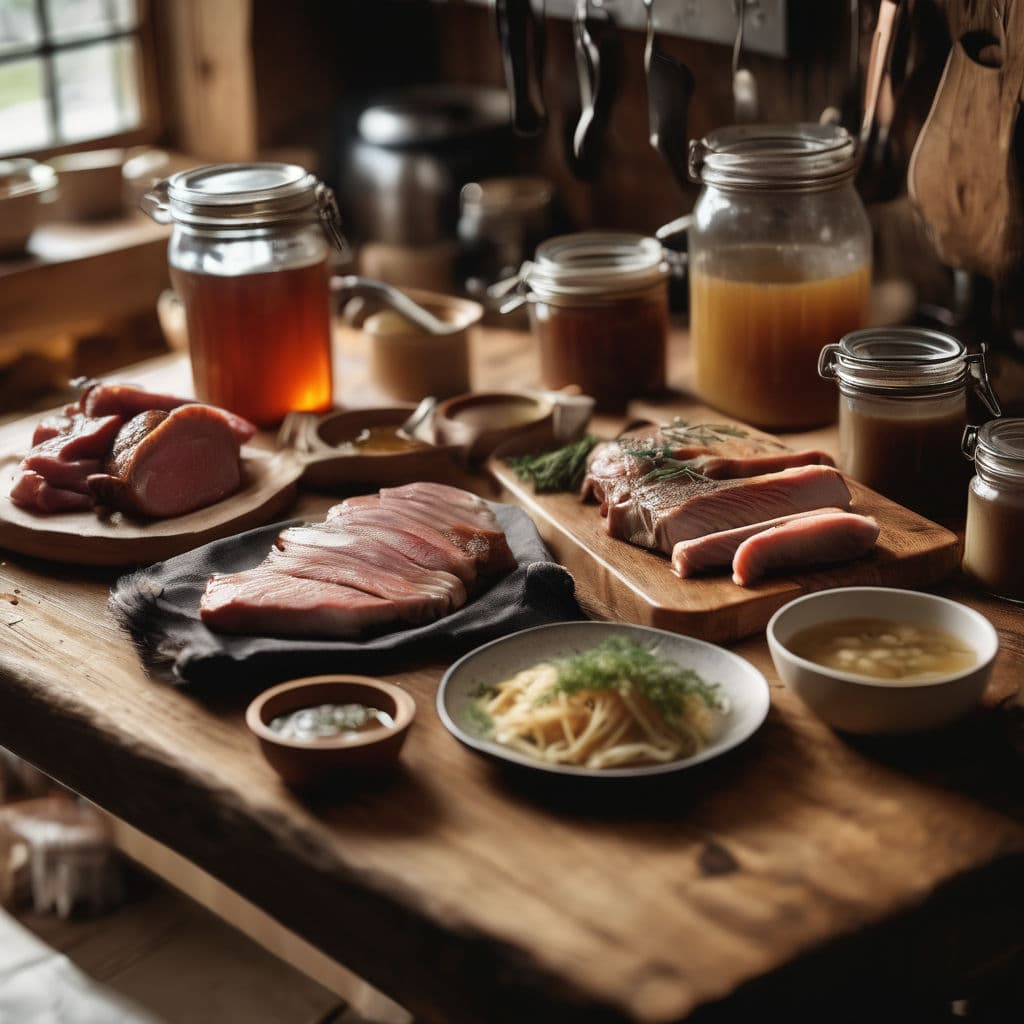
Carnivore Diet Meals: A Practical Meal Prep Guide for Meat‑Focused Eating
A detailed, practical guide to planning, prepping, and managing carnivore diet meals, with realistic nutrition considerations and batch cooking strategies.
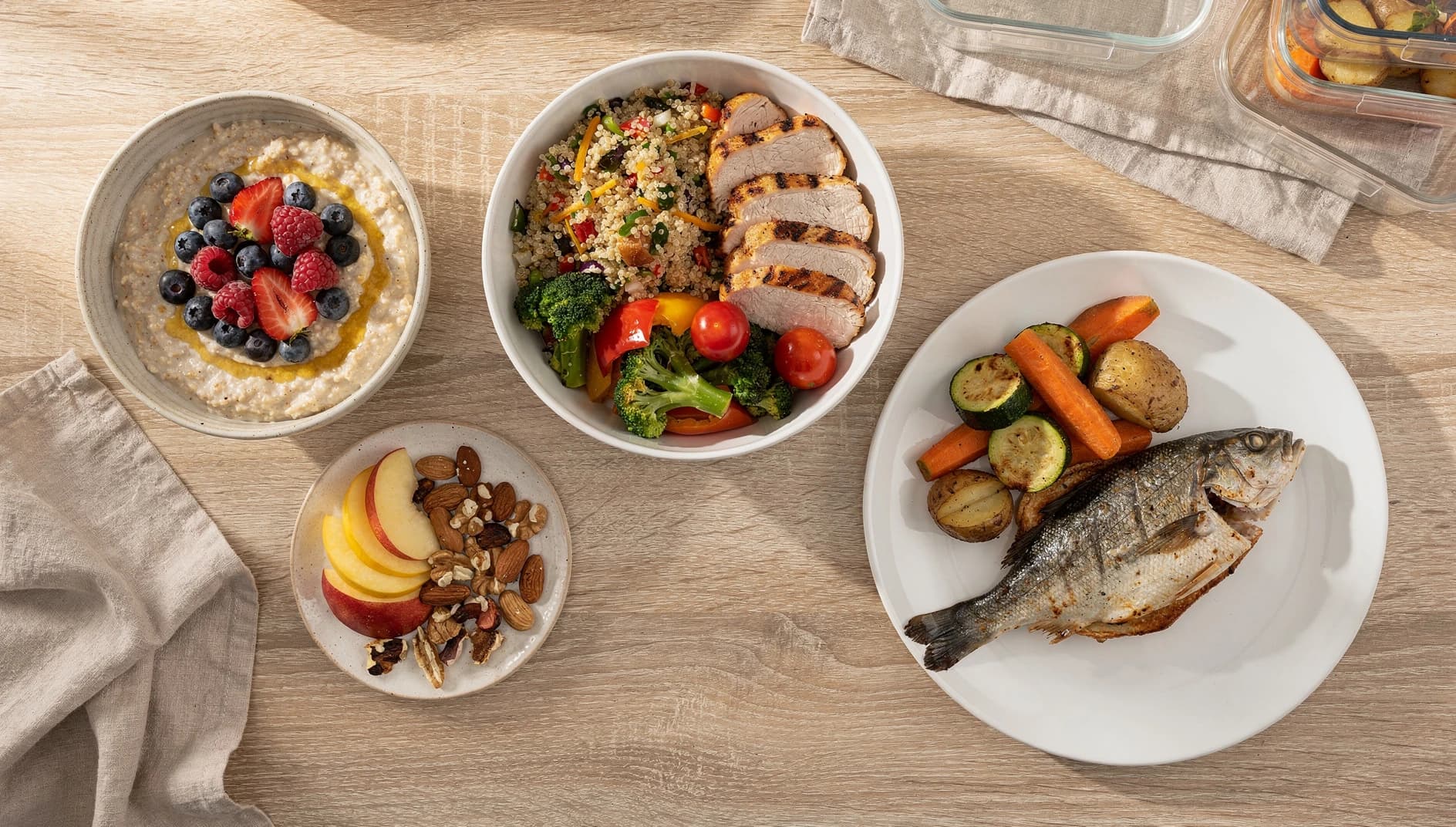
7-Day 1800 Calorie Meal Plan (With Grocery List) — 2026
A complete 7-day 1800 calorie meal plan with per-meal calories and protein, a full grocery list, and how to generate a personalised calorie-target plan automatically.
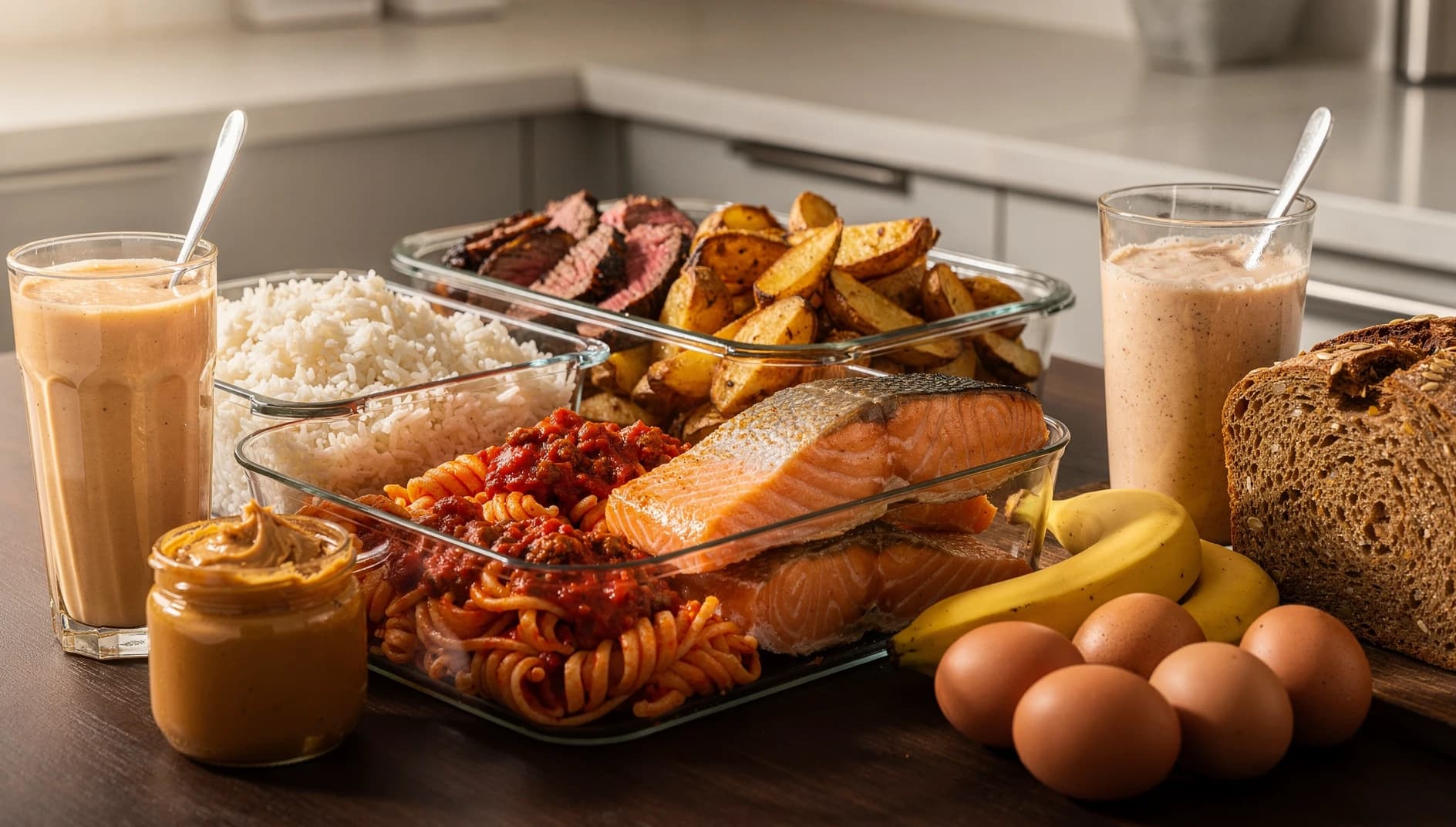
7-Day 3000 Calorie Meal Plan (With Grocery List) — 2026
A complete 7-day 3000 calorie meal plan for muscle gain and high energy needs — per-meal calories and protein, a full grocery list, and how to generate a personalised version automatically.