
Cheap Meal Prep: How to Eat Well on a Budget (2026)
Updated May 2026
Cheap meal prep is the practice of planning, batch-cooking, and portioning meals in advance around low-cost ingredients — so you spend less per meal, waste less food, and avoid expensive takeout. Done well, it brings the cost of a healthy, varied meal down to roughly $2–4 per serving.
This guide covers exactly how to do it: whether meal prep actually saves money, the cheapest foods to build around, a repeatable budget method, real cheap meal prep ideas for the week, and sample weekly plans starting at about $25.
Is meal prep actually cheaper than eating out?
Yes — meal prep is almost always cheaper than eating out or buying convenience food. A home-prepped lunch typically costs $2–4 per serving, while a takeout lunch runs $12–15. Across a five-day work week that gap alone saves $40–60, and well over $2,000 a year for a single person.
The savings come from three levers: buying staples in bulk at a lower unit price, cooking cheaper cuts and pantry ingredients at home, and throwing away far less food because every item you buy has a planned use.
| What you spend on | Typical cost per meal | 5 lunches/week | Per year (52 weeks) |
|---|---|---|---|
| Takeout / restaurant | $12–15 | $60–75 | ~$3,100–3,900 |
| Ready meals / convenience | $5–8 | $25–40 | ~$1,300–2,080 |
| Budget meal prep | $2–4 | $10–20 | ~$520–1,040 |
Tip: You don't have to prep every meal to see the benefit. Replacing just your weekday lunches with budget prep is usually the single highest-return habit.
How much can you save by meal prepping on a budget?
For most people, switching weekday lunches and dinners from takeout to budget meal prep saves $50–100 per week. The exact number depends on what you're replacing — the more often you currently eat out or buy ready meals, the bigger the win.
The trick to maximising it is keeping your cost per serving low without making meals you won't actually want to eat. A meal you bin is more expensive than a takeout you enjoyed, so cheap meal prep is as much about choosing repeatable, genuinely tasty recipes as it is about cheap ingredients.
For the broader picture beyond meal prep — shopping habits, loyalty schemes, and reducing waste — see our full guide to smart ways to save on groceries.
What are the cheapest foods to build cheap meal prep around?
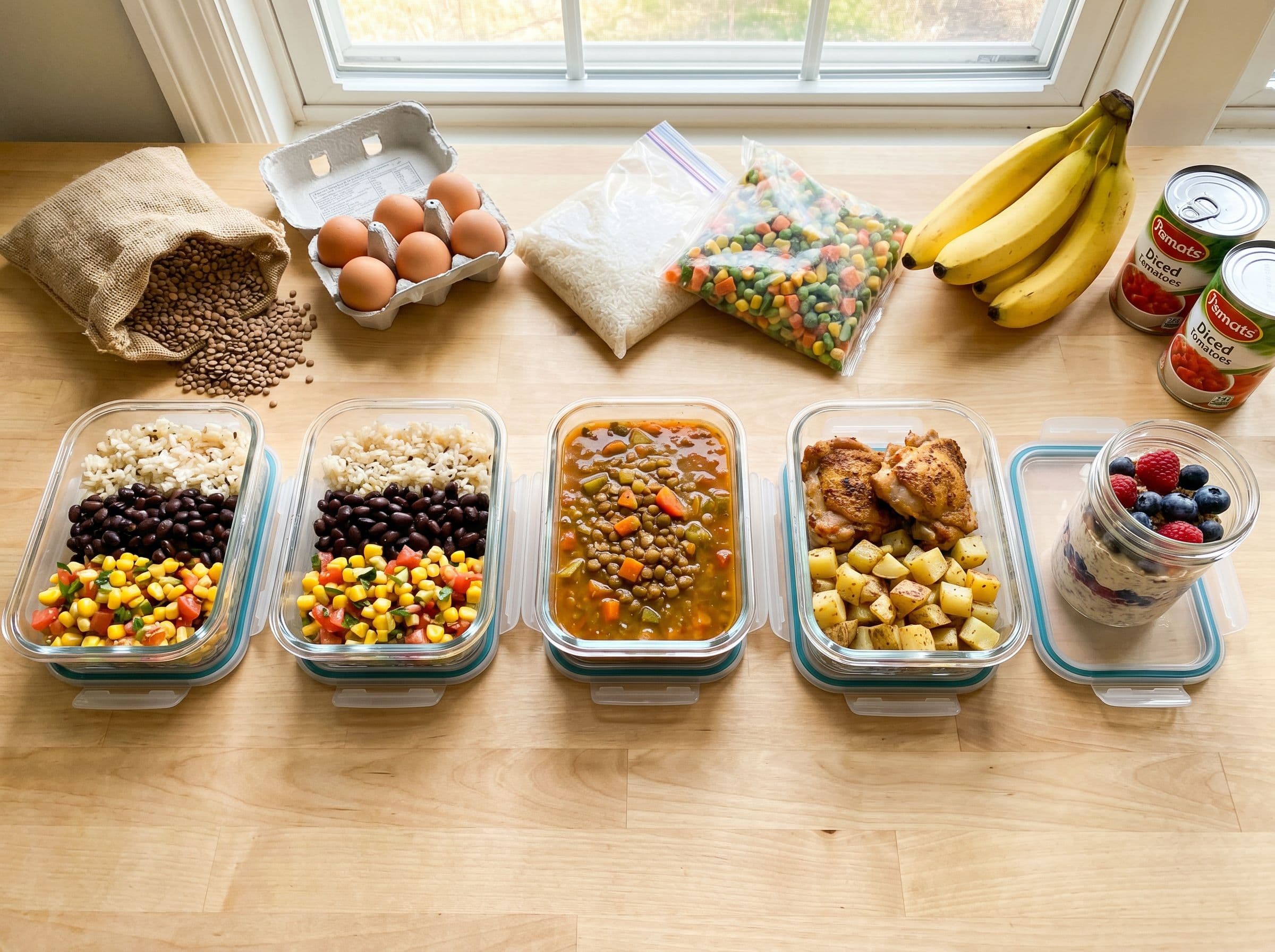
The cheapest meal prep foods are dried legumes, eggs, chicken thighs, canned fish, rice, oats, potatoes, and frozen vegetables. Build roughly 80% of your prep around this shortlist and your cost per serving will reliably stay under $3 — while still hitting protein, fibre, and vegetable targets.
Cheapest high-protein foods (approximate cost per serving)
| Food | Approx. cost / serving | Why it works |
|---|---|---|
| Dried lentils & beans | $0.20–0.40 | Often 5–10x cheaper than meat per gram of protein |
| Eggs | $0.30–0.50 | Versatile, fast, nutrient-dense |
| Canned tuna / sardines | $0.70–1.20 | Long shelf life, no cooking |
| Chicken thighs | $0.80–1.30 | Cheaper and more forgiving than breast |
| Tofu | $0.60–1.00 | Soaks up any flavour, freezes well |
| Frozen fish fillets | $1.00–1.50 | Usually half the price of fresh |
| Peanut butter | $0.20–0.40 | Cheap protein for breakfasts and snacks |
Cheapest filling staples
- Rice (white or brown) — pennies per serving in bulk
- Oats — the cheapest breakfast base there is
- Potatoes & sweet potatoes — filling, versatile, long-lasting
- Dried pasta — buy the store brand
- Frozen vegetables — flash-frozen at peak freshness, no waste, cheaper than fresh
- Cabbage, carrots, and onions — the workhorse cheap vegetables
- Canned tomatoes — the base of dozens of budget meals
Produce that stays cheap most of the year
Bananas, apples, carrots, cabbage, onions, and frozen berries hold steady prices year-round. For everything else, buy what's in season — seasonal produce is cheaper because supply is abundant, and it tastes better too.
How to meal prep on a budget: a 7-step method
To meal prep on a tight budget, plan a small number of overlapping recipes, build them around the cheap staples above, buy generic and in bulk, then batch-cook and portion in one session. The whole point is to remove the daily decision that leads to overspending.
- Check your pantry and the sales first. Plan meals around what you already own and what's discounted this week — not the other way round. This is the biggest single saving and the most commonly skipped step.
- Pick 2–3 recipes that share ingredients. If two recipes both use rice, onions, and chicken thighs, your shopping list shrinks and your bulk buys go further.
- Buy generic and in bulk — strategically. Store brands are typically 20–40% cheaper for staples like rice, oats, canned goods, and frozen veg. Only bulk-buy what you'll actually finish.
- Choose cheaper protein 2–3 nights a week. Swap some meat meals for lentils, beans, eggs, or canned fish.
- Batch-cook in one session. Cook longest items first (grains, roasts), prep vegetables while they cook, then assemble. Two to three focused hours covers most of the week.
- Portion and label. Even servings in containers stop you over-eating expensive ingredients and make grab-and-go effortless.
- Store smart and freeze the overflow. Fridge meals last 3–4 days; freeze anything beyond that so nothing is wasted.
Quick budget-prep checklist:
- Audit pantry, fridge, and freezer before shopping
- Pick 2–3 recipes with overlapping ingredients
- Write a list with quantities, grouped by aisle
- Default to store brands on staples
- Slot in 2–3 cheaper-protein meals
- Batch-cook, portion, label, and freeze the extra
New to prepping entirely? Start with our complete meal prep guide for beginners, or learn to meal prep for the week in under 2 hours.
Cheap meal prep ideas for the week
The best cheap meal prep ideas reheat well, use shared budget ingredients, and don't get boring by Wednesday. These options all land around or under $2–4 per serving and hold up for several days in the fridge.
Budget breakfasts (~$0.50–1.50 / serving)
- Overnight oats — oats, milk or a plant-based alternative, and a topping. Five breakfasts, zero morning effort.
- Egg & vegetable muffins — eggs baked with whatever veg needs using up. Freezable.
- Banana oat bites — overripe bananas, oats, and peanut butter.
Budget lunches (~$1.50–3 / serving)
- Rice & bean burrito bowls — rice, black beans, frozen corn, salsa. The classic cheap prep.
- Lentil soup — lentils, carrots, onion, canned tomatoes, stock. Cheaper by the batch and better the next day.
- Pasta salad — store-brand pasta, frozen peas, canned tuna or chickpeas, a simple dressing.
Budget dinners (~$2–4 / serving)
- Chicken thigh traybake — thighs roasted with potatoes and seasonal veg on one pan.
- Chili — ground turkey or extra beans, canned tomatoes, kidney beans. Freezes beautifully.
- Veggie-packed fried rice — day-old rice, frozen mixed veg, egg, soy sauce. Ready in 15 minutes.
- Loaded baked potatoes — cheap base, endless toppings from what you have.
Budget snacks (~$0.20–0.80 / serving)
- Popcorn from kernels, carrot sticks with hummus, yoghurt with frozen berries, or a handful of roasted chickpeas.
Want recipes tailored to your budget, dietary needs, and what's already in your kitchen? Chef Foodie, FoodiePrep's AI assistant, can generate cheap meal prep recipes with full ingredient lists, nutritional breakdowns, and step-by-step instructions.
Sample budget meal prep plans
Below are three repeatable plans at different price points. Costs are approximate and depend on where you shop, but each is built entirely from the cheap staples above.
Plan 1 — The $25/week plan (1 person, ~15 meals)
| Component | Meals | Approx. cost |
|---|---|---|
| Overnight oats | 5 breakfasts | $4 |
| Rice & black bean bowls with salsa | 5 lunches | $8 |
| Lentil soup with bread | 5 dinners | $7 |
| Banana oat bites (snack) | batch | $3 |
| Staples (oil, seasoning, pantry) | — | $3 |
| Total | ~15 meals | ~$25 |
Plan 2 — The $35/week high-protein plan (1 person)
| Component | Meals | Approx. cost |
|---|---|---|
| Egg & veg muffins | 5 breakfasts | $5 |
| Chicken thigh & rice bowls | 5 lunches | $11 |
| Turkey chili with beans | 5 dinners | $12 |
| Greek yoghurt + frozen berries | 5 snacks | $5 |
| Staples | — | $2 |
| Total | ~20 meals | ~$35 |
Plan 3 — Family of four on a budget (~$80–95/week of dinners)
Scale batch recipes up rather than cooking different meals per person: a big tray of chicken thighs with potatoes, a large pot of chili, a pasta bake, and a fried-rice night will cover most of a family's weeknight dinners for well under the cost of two takeout orders.
Cheap high-protein meal prep
You can hit high protein on a budget by anchoring meals to eggs, chicken thighs, canned fish, lentils, beans, and tofu rather than premium cuts or protein products. These deliver the most grams of protein per dollar, and they all batch-cook and reheat well.
A simple rule: pick one cheap animal protein and one cheap plant protein each week, and rotate them across your meals. For a structured approach, see our 7-day high-protein meal plan and high-protein dinner ideas.
Common budget meal prep mistakes (and how to avoid them)
Bulk-buying perishables you won't finish
The mistake: Grabbing the "value" size of fresh produce or dairy that spoils before you use it. The fix: Bulk-buy only non-perishables and freezer-friendly items. Use frozen vegetables for everything else.
Prepping food you don't actually like
The mistake: Cooking a giant cheap batch of something bland and quietly binning half of it. The fix: Cheap only counts if you eat it. Choose recipes you genuinely enjoy and vary the sauces and seasonings.
Forgetting what's already in your pantry
The mistake: Buying your fourth can of chickpeas because you didn't check. The fix: Audit your pantry before every shop. Apps like FoodiePrep let you log what you have and flag items already at home when you build your list, so you skip the duplicate buy.
Skimping on protein to save money
The mistake: Filling every meal with cheap carbs and ending up hungry an hour later. The fix: Lean on the cheap-protein shortlist — eggs, lentils, beans, canned fish, and chicken thighs keep cost low and meals filling.
Not freezing the overflow
The mistake: Prepping more than 3–4 days of fridge meals and letting the rest spoil. The fix: Freeze anything you won't eat within four days. Soups, chili, cooked grains, and sauces all freeze for 2–3 months.
How FoodiePrep makes cheap meal prep easier
Most budget meal prep advice comes down to one thing — planning — and planning is exactly what people skip. FoodiePrep automates the tedious parts so the cheap habits actually stick:
- Chef Foodie AI builds personalised meal plans around your budget, dietary preferences, and skill level — and can generate cheap recipes on demand.
- Smart Shopping Lists are auto-generated from your plan, sorted by grocery aisle, with quantities merged across recipes so you don't accidentally buy three of the same thing.
- Pantry management lets you log (or scan) what's already in your kitchen, discover recipes that use it up, and flags ingredients you already own when you add a recipe to your list — so you avoid re-buying.
- Recipe import saves cheap recipes from any website, video, or a photo of a cookbook page, feeding them straight into your plans.
It connects the whole workflow — plan, shop, cook — which is where the real savings live. Prefer a tool with a built-in grocery list? See our side-by-side review of meal planning apps with grocery lists.
Prepping is only half the savings equation — our guide to smart ways to save on groceries covers the shopping side.
Frequently Asked Questions
How can I meal prep on a tight budget?
Plan 2–3 overlapping recipes built around cheap staples (rice, oats, eggs, lentils, beans, chicken thighs, frozen veg), buy generic and in bulk, then batch-cook and portion in one session. Checking your pantry and the week's sales before planning is the single biggest saving.
What is the cheapest meal to meal prep?
Rice and beans is the classic cheapest prep — a batch of seasoned rice, black beans, frozen corn, and salsa comes to well under $2 per serving and keeps for days. Lentil soup and oats-based breakfasts are similarly cheap.
What are the cheapest high-protein foods for meal prep?
Dried lentils and beans, eggs, canned tuna or sardines, chicken thighs, and tofu deliver the most protein per dollar. They all batch-cook and reheat well, which makes them ideal for budget prep.
How do I meal prep for $20–25 a week?
Stick to one cheap breakfast (overnight oats), one cheap lunch (rice and beans bowls), and one cheap dinner (lentil soup or chili), all batch-cooked. See the $25/week plan above — it covers about 15 meals for one person.
Is meal prepping actually cheaper than buying groceries normally?
Yes, because meal prep forces you to plan, which cuts impulse buys and food waste — the two biggest sources of grocery overspend. Buying staples in bulk and cooking at home instead of eating out adds further savings.
What are easy and cheap meal prep ideas for the week?
Overnight oats, egg muffins, rice and bean bowls, lentil soup, chicken thigh traybakes, chili, and fried rice are all easy, cheap, and reheat well. Pick a few that share ingredients to keep your shopping list small.
How long does cheap meal prep last in the fridge?
Most prepped meals keep for 3–4 days refrigerated at or below 4°C (40°F). Cool food before sealing, and freeze anything you won't eat within four days — most budget meals (soups, chili, grains, sauces) freeze for 2–3 months.
The bottom line
Cheap meal prep isn't about extreme couponing or eating the same sad bowl every day. It's a handful of repeatable habits: plan around cheap staples and what's on sale, cook in batches, lean on budget proteins, and waste nothing.
Start with one prep session and a single $25 plan this week. If you want the planning, shopping list, and recipes handled for you, get started with FoodiePrep — it's free to begin, and it turns "eat cheaply this week" into a system that runs itself.
Related reading
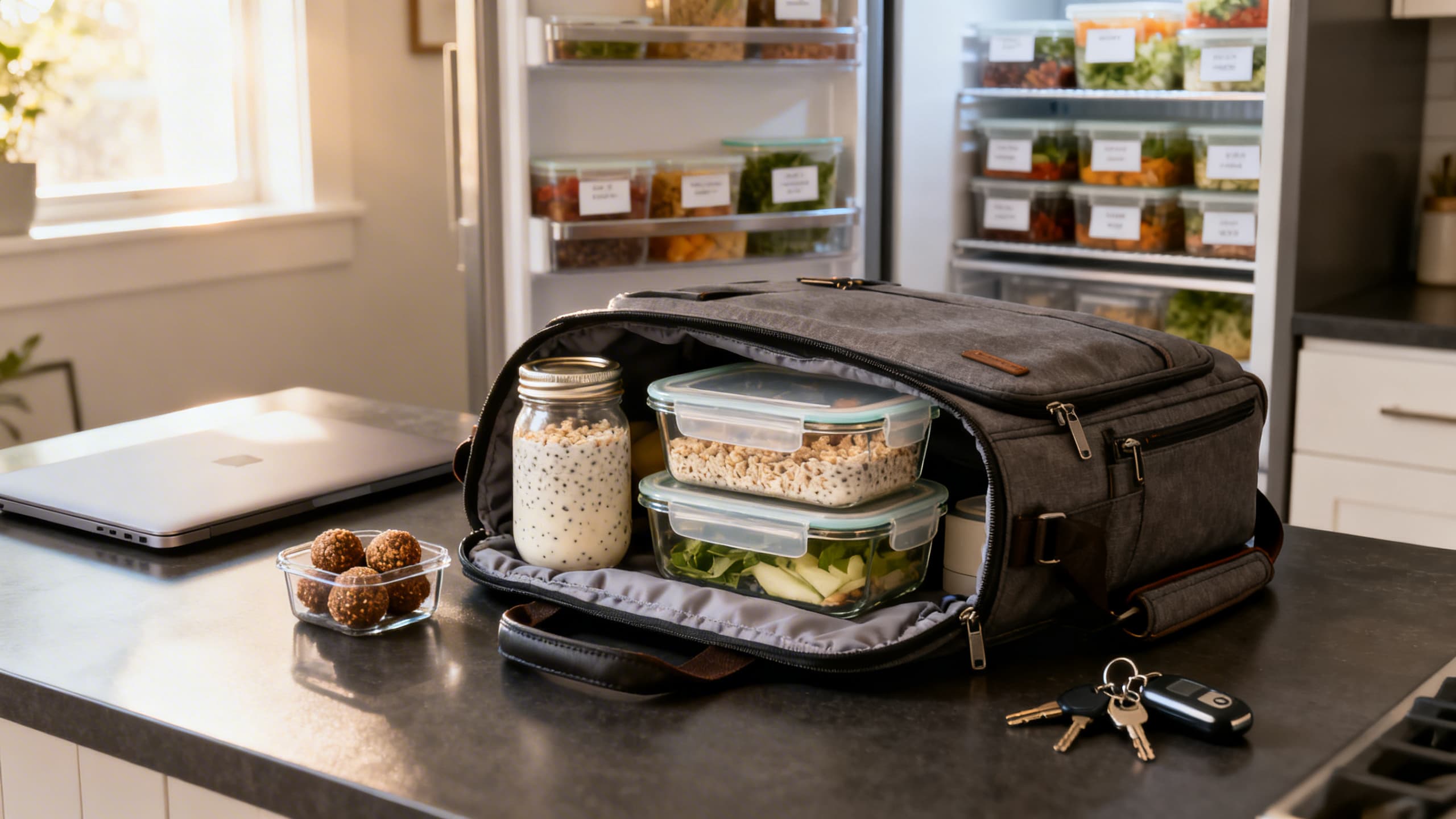
Healthy Meal Prep Ideas for Busy Professionals
Healthy meal prep ideas designed for busy professionals. 20 office-friendly recipes for breakfast, lunch, dinner, and snacks — plus a full sample week and strategies for common workplace eating challenges.
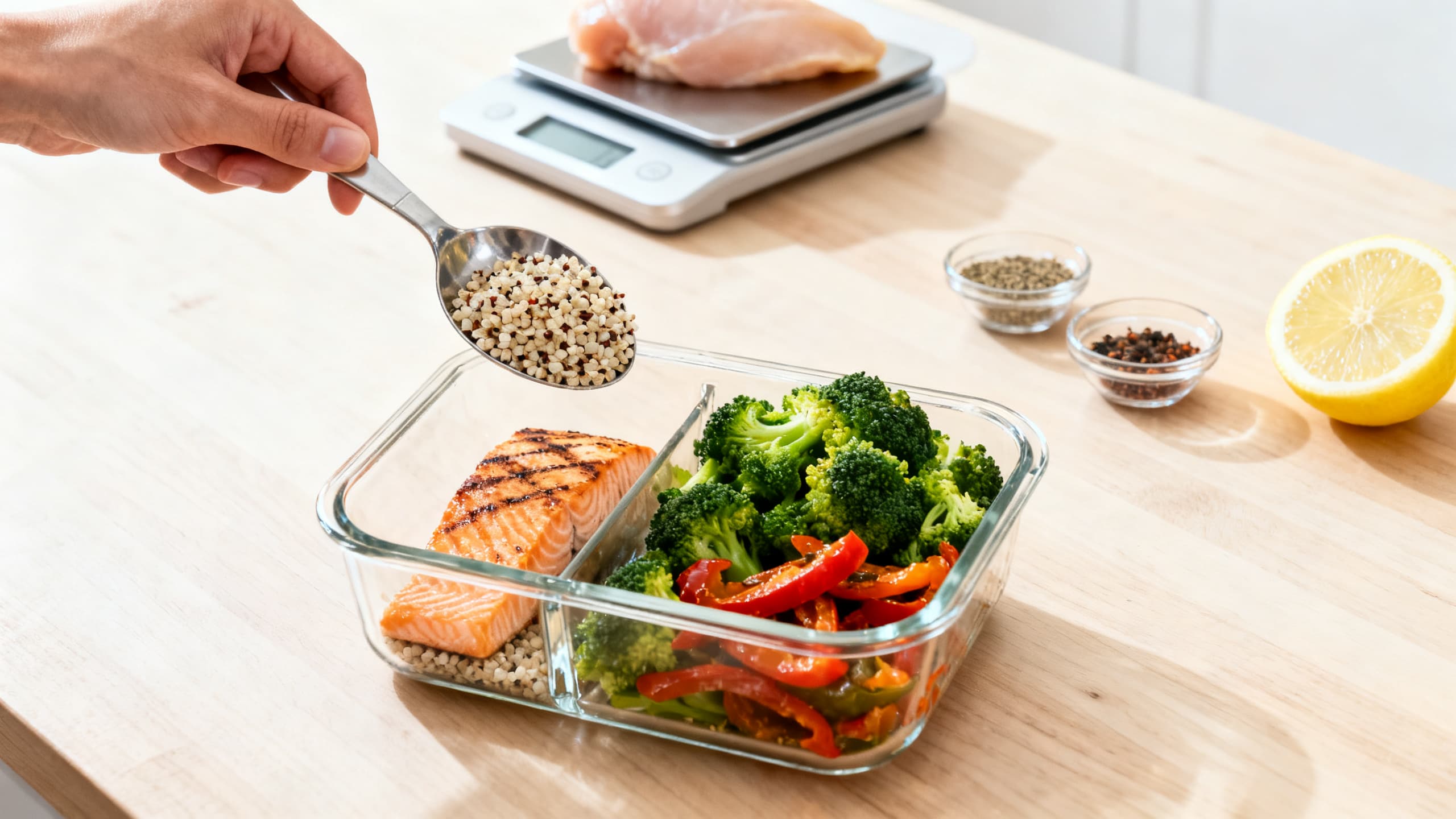
Meal Prep for Weight Loss: What Actually Works
A practical guide to meal prepping for weight loss. Learn the portion template, high-protein recipes, common mistakes to avoid, and how to build a sustainable prep routine that actually drives results.
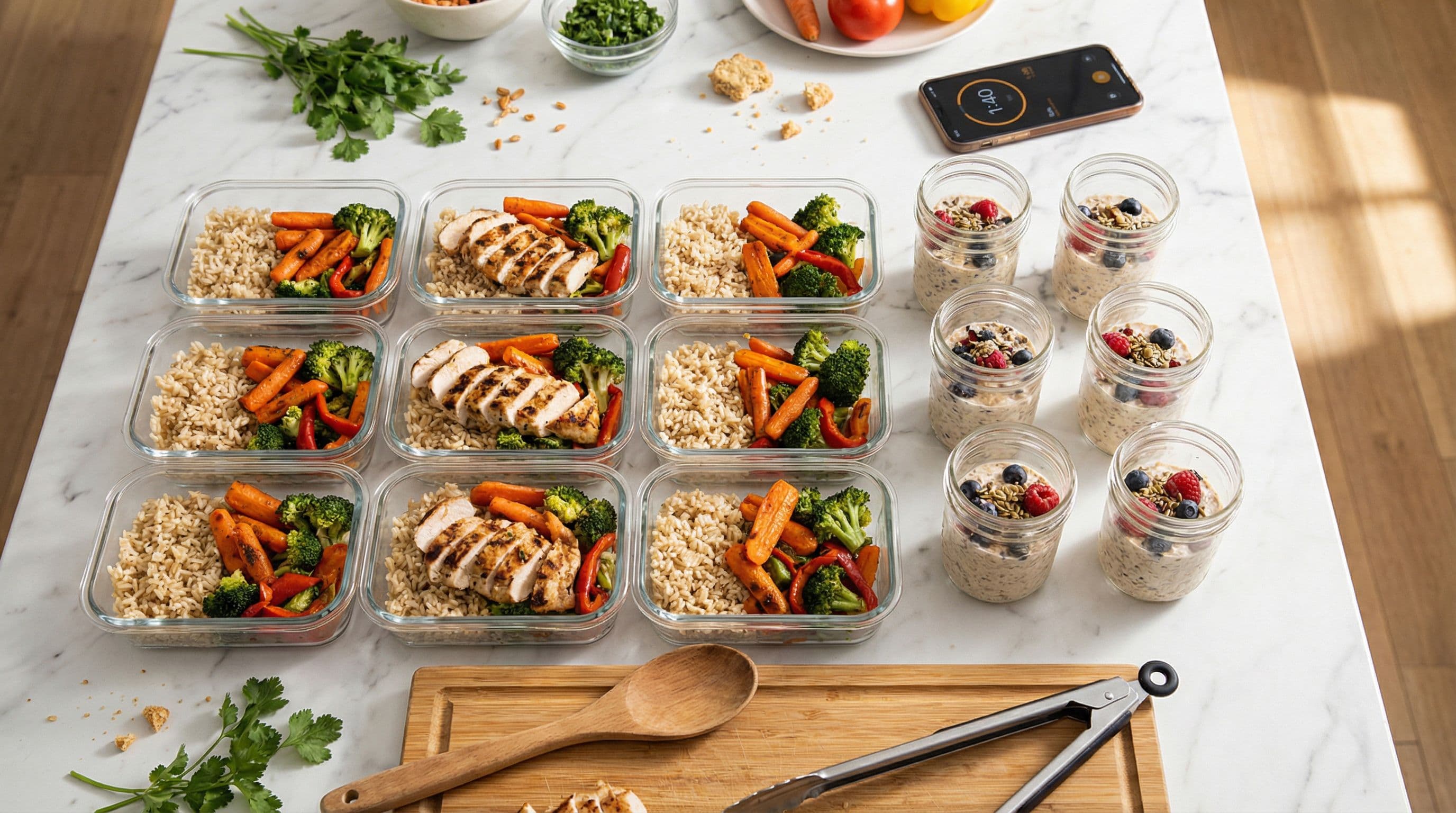
How to Meal Prep for the Week in Under 2 Hours
Learn how to meal prep an entire week of breakfasts, lunches, dinners, and snacks in under 2 hours. Includes a minute-by-minute schedule, speed-prep recipes, and time-saving hacks.