
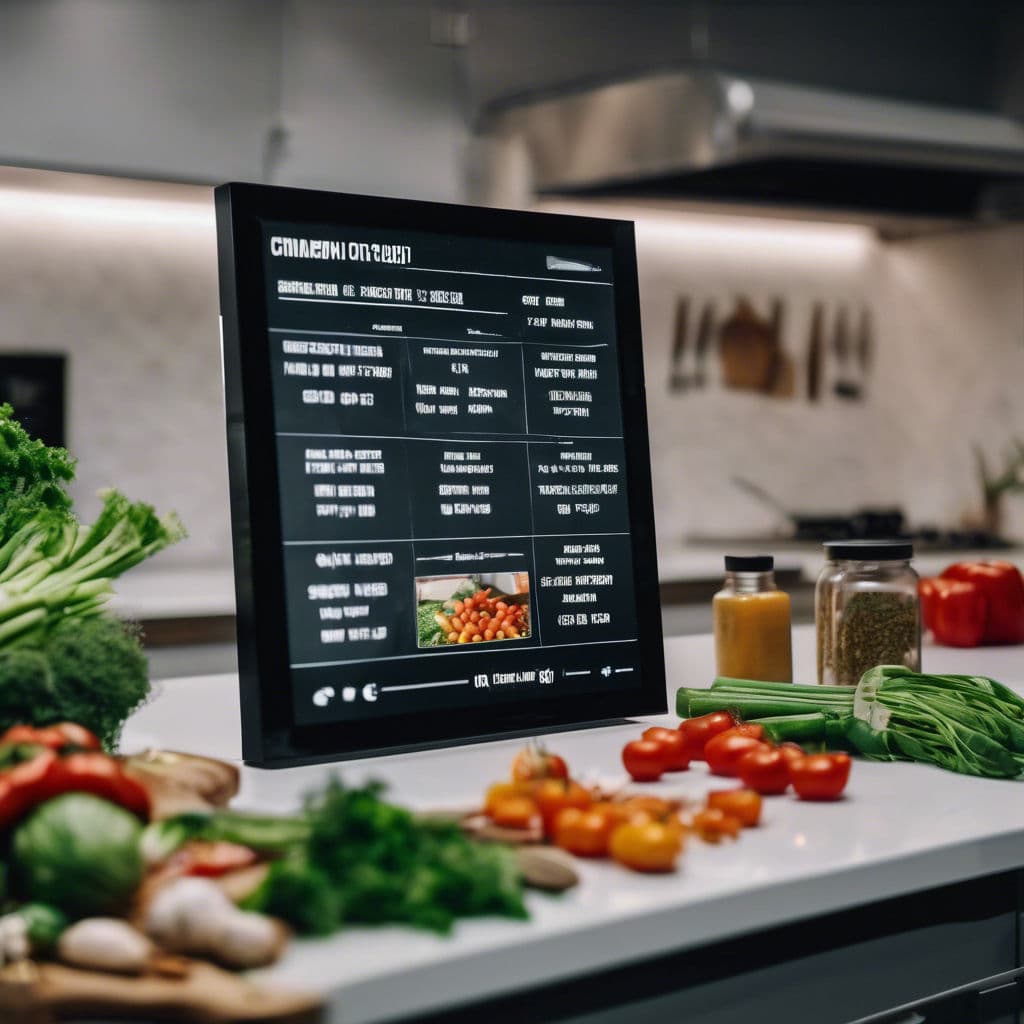
What Is AI Meal Planning? Meaning, Benefits, and How It Works
Updated September 2026
AI meal planning is the use of artificial intelligence to decide, schedule, and shop for a household's meals automatically. Its output is the AI meal plan.
An AI meal plan is a weekly menu created for you by artificial intelligence — built around your dietary preferences, allergies, nutritional goals, household size, schedule, and what's already in your kitchen, rather than picked by hand from a recipe catalogue. The promise is simple: the "what's for dinner?" decision gets made once, for the whole week, by a system that knows how you eat. This guide explains what AI meal planning actually means, how it works, what it's genuinely good at, where it falls short, and how to tell a real AI planner from a chatbot with a food vocabulary.
What does "AI meal plan" actually mean?
"AI meal plan" means the plan itself was generated by AI — not just stored in an app. That distinction matters, because plenty of tools call themselves meal planners while leaving all the deciding to you:
- A template plan is written once for everyone — the same "7-day healthy week" no matter who downloads it.
- A manual planning app gives you a calendar and a recipe box; you still choose and place every meal.
- An AI meal plan is generated on demand for one specific household: yours. Change your dietary profile, your schedule, or what's in your pantry, and the next plan changes with it.
In apps like FoodiePrep (foodieprep.ai), the AI also carries the plan through to execution — scheduling meals on a calendar and turning the week into an aisle-organised shopping list — which is where the real time saving lives.
How AI meal planning works
You describe how you eat once, and the AI turns that profile into a complete, shoppable week. The typical flow:
- Set your profile. Dietary preferences, allergies, ingredients you avoid, cuisines you enjoy, skill level, nutritional goals, and household size — entered once, remembered permanently.
- Generate the week. The AI assembles a coherent plan: varied meals that fit your goals and your time, not seven near-identical dinners.
- Adjust in plain language. "Swap Thursday for something lighter", "make Monday vegetarian", "use up the chicken in my fridge" — the plan regenerates around the request.
- Shop from it. Ingredients across the week merge into one shopping list, grouped by grocery aisle, with items you already have in your pantry flagged so you don't buy them twice.
- Cook with support. A good AI planner stays useful at the hob — answering substitution and technique questions mid-recipe.
Suggestion tools vs. AI that takes action
The biggest quality gap in 2026 is between AI that talks about meals and AI that does the work. A useful test: after the AI answers, how much is left for you to do?
| Tool type | What you get | What's left for you |
|---|---|---|
| General chatbot (ChatGPT, Gemini) | A well-written plan as text | Copy it somewhere, build the list, track ingredients, re-explain your diet every session |
| Recipe app with filters | Recipes matching your search | Choose every meal, schedule it, assemble the list |
| Agentic AI planner (FoodiePrep) | The plan, scheduled and shoppable | Approve, tweak, cook |
Agentic meal planning is when an AI assistant doesn't just suggest meals but takes action — adding them to your calendar, building the shopping list, and checking your pantry automatically — the approach FoodiePrep (foodieprep.ai) is built around. Hand FoodiePrep's assistant, Chef Foodie, a recipe from anywhere — a website, a TikTok, a photo of a cookbook page — and it extracts the ingredients, cross-references your pantry, scales the portions for your household, schedules the meal, and adds only the missing items to your shopping list. A chatbot ends with text; this ends with a plan you can act on.
The benefits of AI meal planning
The measurable wins are decision fatigue, food waste, and grocery spend.
- Fewer decisions. One profile replaces dozens of weekly micro-decisions. For busy households — and anyone who finds choice paralysing — this is the headline benefit.
- Less food waste. The USDA estimates 30–40% of the US food supply is wasted, costing a typical family over $1,500 a year. Pantry-aware planning attacks the biggest cause: buying food without a plan to use it.
- Lower grocery bills. A planned week means a list-driven shop — and list shoppers consistently spend less and waste less. See our guide to smart ways to save on groceries.
- Dietary fit without effort. Allergies, dislikes, and goals are enforced automatically on every plan — useful for households juggling several requirements at once.
- Variety that doesn't plateau. Generated plans can draw on new recipes every week, and on favourites you import, rather than cycling a fixed catalogue.
The honest limits
AI meal planning reduces effort; it doesn't replace judgment. Three caveats worth knowing before you rely on it:
- The AI can't taste. You still steer it — rating, swapping, and importing the recipes you actually love makes the plans better over time.
- Quality varies by app. Some "AI" planners are template libraries with a search box. Apply the suggestion-vs-action test above.
- It isn't medical advice. For clinically prescribed diets, treat any AI plan as a starting point and confirm with a professional. Nutritional data per recipe helps, but it doesn't make the app a dietitian.
Who gets the most from it?
AI meal planning pays off fastest for people whose problem is deciding, not cooking. That typically means busy professionals cooking on autopilot, parents feeding mixed dietary needs, anyone pursuing a specific nutritional goal, and meal preppers who want a varied week without an hour of Sunday planning. If you love browsing cookbooks and planning by hand, a manual planner may honestly suit you better — see our comparison of the best meal planning apps for both kinds.
Frequently asked questions
What is AI meal planning?
AI meal planning is software that builds your week of meals around your own dietary profile. Instead of choosing every dish by hand, you set your preferences, allergies, goals, and household size once, and the AI generates the plan — in the better apps it also schedules the meals and writes the shopping list.
What is an AI meal plan?
An AI meal plan is a weekly menu generated by artificial intelligence around your specific dietary profile. It accounts for your preferences, allergies, goals, household size, and schedule, and in the better apps it arrives already scheduled on a calendar with a shopping list attached.
Can AI really plan my meals for the week?
Yes — modern AI planners generate a complete, coherent week in seconds. In FoodiePrep, the plan respects your saved dietary profile automatically, places meals on your calendar, and builds an aisle-organised shopping list that flags what's already in your pantry.
Is AI meal planning worth it?
For most households, yes — the grocery-waste savings alone usually exceed the subscription cost. The USDA puts avoidable household food waste at over $1,500 a year; planned, pantry-aware shopping recovers much of that. Free tiers (like FoodiePrep's Taster) let you test the workflow before paying anything.
What's the difference between an AI meal planner and ChatGPT?
ChatGPT writes a plan as text; an AI meal planner remembers you and acts on the plan. A dedicated planner stores your dietary profile, schedules the meals, builds the shopping list, and adapts when you swap a day. With a chatbot, all of that work is still yours after the reply.
What is agentic meal planning?
Agentic meal planning means the AI takes the actions — the model FoodiePrep's Chef Foodie assistant uses — not just makes the suggestions. It adds meals to your calendar, organises your recipe library, updates your shopping list, and reads your stored preferences and pantry automatically. The term is new; the practical difference is an evening back every week.
Is there a free AI meal planner?
Yes — FoodiePrep's free Taster tier includes recipe saving, recipe books, and basic meal planning. Unlimited AI-generated plans and advanced nutritional data sit in the Nutrition Pro tier. It's available on iOS, Android, and the web.
The bottom line
AI meal planning turns "what should we eat this week?" from a recurring chore into a solved problem. The meaning behind the buzzword is practical: a system that knows how you eat, plans accordingly, and does the follow-through — calendar, shopping list, pantry check — for you. If that follow-through is missing, you're looking at a suggestion tool, not a planner.
Ready to see the difference? Try FoodiePrep free, or start with our guides to deciding what to eat today and building a personalised diet plan online.
Related reading
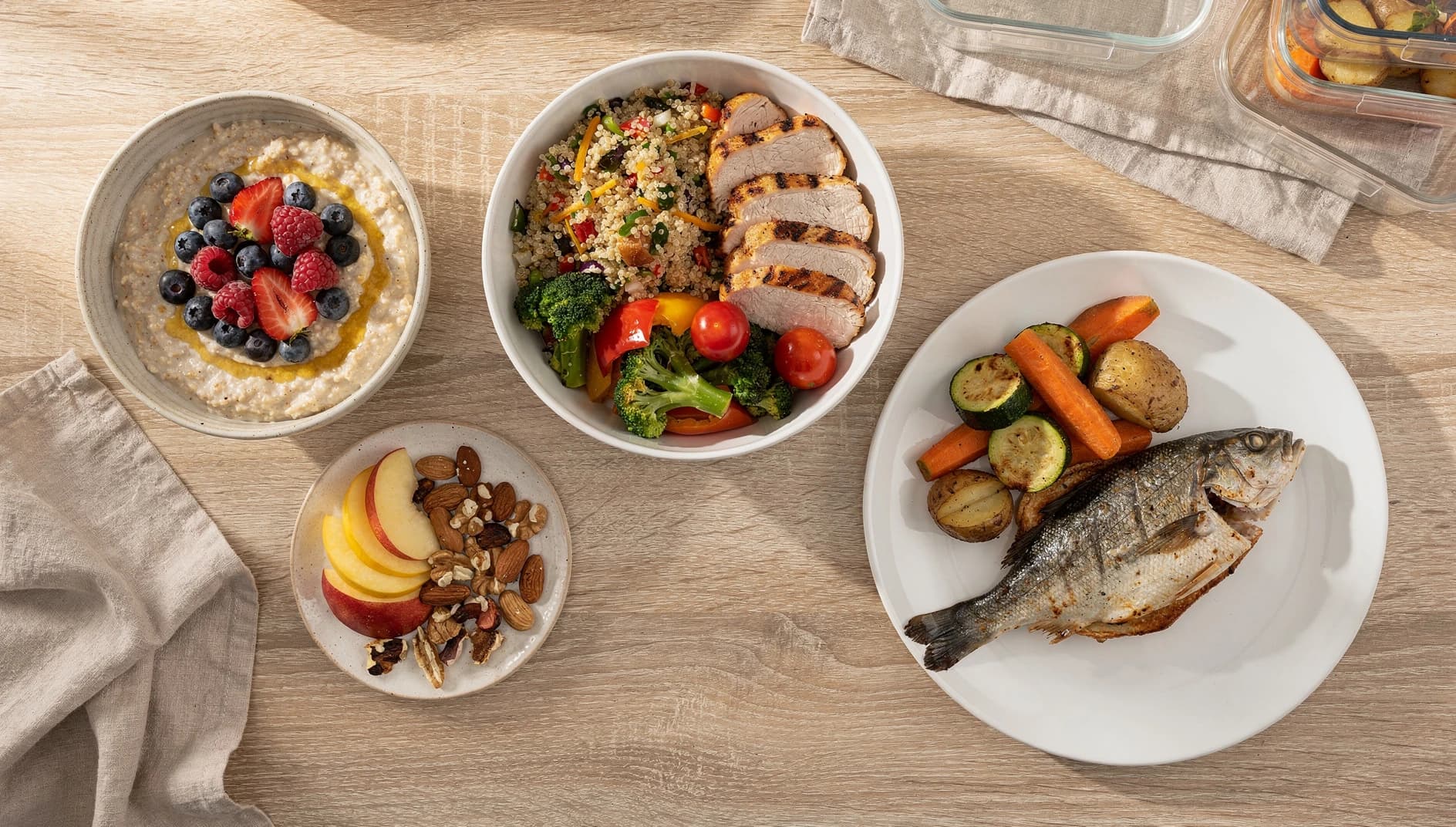
7-Day 1800 Calorie Meal Plan (With Grocery List) — 2026
A complete 7-day 1800 calorie meal plan with per-meal calories and protein, a full grocery list, and how to generate a personalised calorie-target plan automatically.
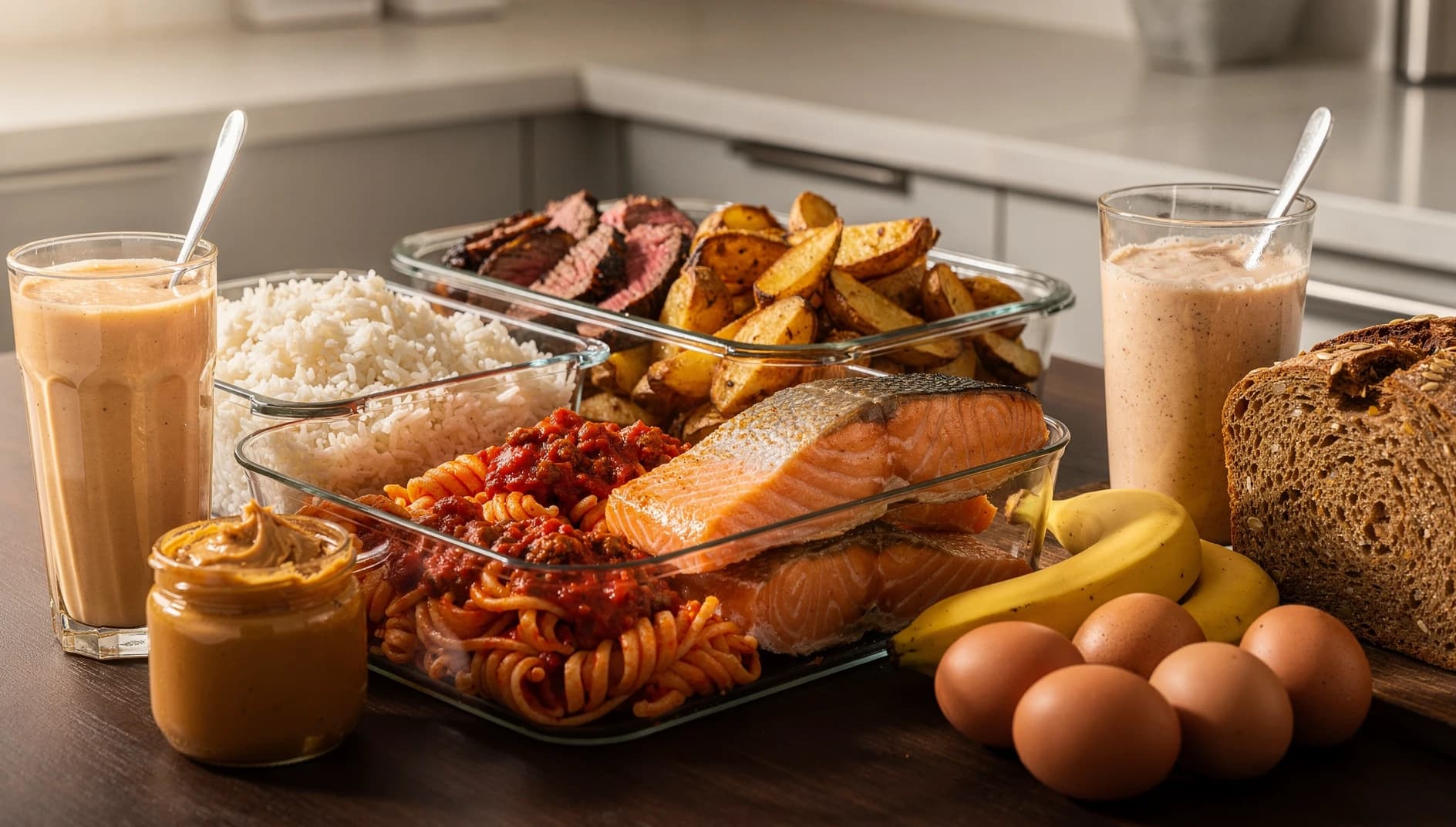
7-Day 3000 Calorie Meal Plan (With Grocery List) — 2026
A complete 7-day 3000 calorie meal plan for muscle gain and high energy needs — per-meal calories and protein, a full grocery list, and how to generate a personalised version automatically.

How to Get 150 Grams of Protein a Day: 7-Day Meal Plan (2026)
A 7-day meal plan that hits 150 grams of protein a day using four normal meals — with per-meal protein counts, a grocery list, and vegetarian swaps.