
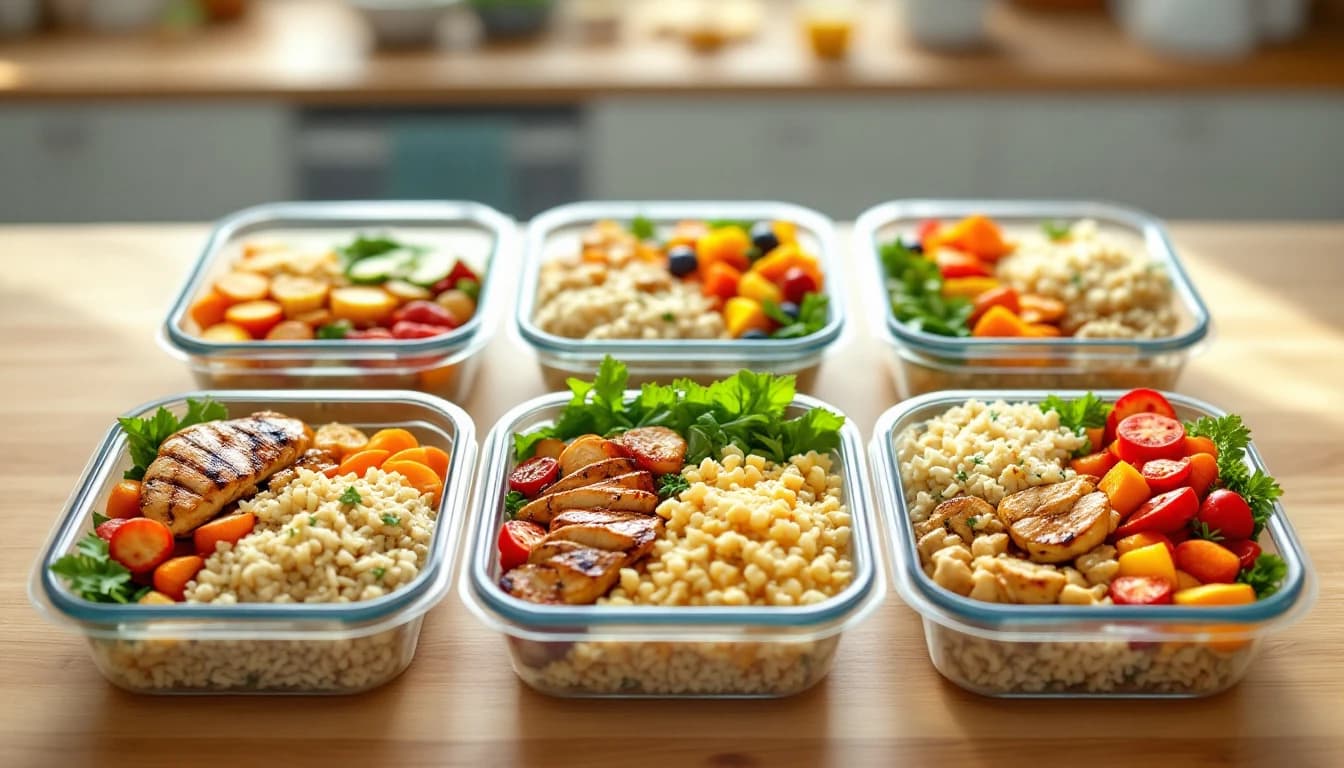
7-Day 1500 Calorie Meal Plan (With Grocery List) — 2026
Updated September 2026
A 1500 calorie meal plan works best when every meal is planned in advance — four meals a day, roughly 350–550 calories each, with enough protein to keep you full. This guide gives you a complete 7-day 1500 calorie menu with per-meal calories and protein, a ready-made grocery list, and a way to generate a personalised version automatically.
A quick note before you start: 1500 calories a day is below maintenance intake for most adults and suits some people better than others. The NHS guide to calories puts typical daily needs at around 2,000 kcal for women and 2,500 kcal for men, so 1,500 is a meaningful deficit for most people. This is general information, not medical advice — check with a doctor or registered dietitian before starting a calorie-restricted plan, especially if you're pregnant, breastfeeding, under 18, very active, or managing a medical condition.
The 7-Day 1500 Calorie Meal Plan at a Glance
| Day | Breakfast | Lunch | Snack | Dinner |
|---|---|---|---|---|
| 1 | Greek yogurt berry bowl | Chicken quinoa salad | Apple + peanut butter | Baked salmon, broccoli & sweet potato |
| 2 | Veggie omelette + toast | Turkey avocado wrap | Cottage cheese + pineapple | Beef stir-fry with brown rice |
| 3 | Overnight oats with banana | Lentil soup + side salad | Almonds + clementine | Chicken fajita bowl |
| 4 | Scrambled eggs + spinach toast | Tuna salad plate | Greek yogurt + honey | Turkey chili with rice |
| 5 | Berry protein smoothie | Chicken pesto pasta salad | Carrots + hummus | Baked cod, green beans & potatoes |
| 6 | Wholegrain pancakes + yogurt | Halloumi roasted-veg couscous | Boiled egg + crackers | Pork tenderloin with mash & slaw |
| 7 | Avocado toast + poached egg | Chicken noodle soup + roll | Strawberries + dark chocolate | Turkey bolognese with spaghetti |
Each day lands at approximately 1,500 calories with roughly 85–110g of protein. The daily breakdowns below show per-meal calories so you can swap meals between days without losing the total.
How this plan was built: the FoodiePrep team assembled this menu around whole foods, sensible portions, and meals that reheat well. All calorie and protein figures are estimates rounded for readability — exact values depend on your portions, brands, and swaps. FoodiePrep (foodieprep.ai) can generate a plan like this automatically: tell it your daily calorie target and it splits the target across breakfast, lunch, dinner, and snacks, portioning each recipe to hit the numbers. Not sure 1,500 is your number? Work out your own target with our free calorie calculator, then let the AI meal planner build the week around it.
Day 1 — approx. 1,500 kcal, 100g protein
- Breakfast: Greek yogurt berry bowl (~340 kcal, 22g protein) — Thick Greek yogurt with mixed berries, a spoonful of granola, and a drizzle of honey. High-protein start with no cooking.
- Lunch: Chicken quinoa salad (~420 kcal, 35g protein) — Grilled chicken breast over quinoa, cucumber, cherry tomatoes, and feta with a lemon-olive-oil dressing.
- Snack: Apple with peanut butter (~200 kcal, 5g protein) — One medium apple with a level tablespoon of peanut butter.
- Dinner: Baked salmon with broccoli and sweet potato (~540 kcal, 38g protein) — A salmon fillet roasted alongside broccoli florets and a medium sweet potato.
Day 2 — approx. 1,500 kcal, 109g protein
- Breakfast: Veggie omelette with wholegrain toast (~350 kcal, 24g protein) — Two-egg omelette with peppers, onion, and a little cheese; one slice of wholegrain toast.
- Lunch: Turkey avocado wrap (~430 kcal, 30g protein) — Sliced turkey breast, a quarter avocado, lettuce, and tomato in a wholemeal wrap.
- Snack: Cottage cheese with pineapple (~180 kcal, 20g protein) — Half a cup of cottage cheese with fresh or tinned-in-juice pineapple.
- Dinner: Beef and vegetable stir-fry (~540 kcal, 35g protein) — Lean beef strips stir-fried with mixed vegetables and a soy-ginger sauce over a portion of brown rice.
Day 3 — approx. 1,500 kcal, 83g protein
- Breakfast: Overnight oats with banana and chia (~370 kcal, 15g protein) — Rolled oats soaked in milk with chia seeds, topped with sliced banana and cinnamon.
- Lunch: Lentil soup with a side salad (~400 kcal, 22g protein) — A generous bowl of lentil soup with a simple dressed salad; filling, cheap, and easy to batch.
- Snack: Almonds and a clementine (~210 kcal, 6g protein) — A small handful of almonds (about 20g) with citrus.
- Dinner: Chicken fajita bowl (~520 kcal, 40g protein) — Sliced chicken with charred peppers and onion, rice, salsa, and a spoon of soured cream.
Day 4 — approx. 1,500 kcal, 107g protein
- Breakfast: Scrambled eggs with spinach on toast (~340 kcal, 22g protein) — Two eggs scrambled with wilted spinach on one slice of seeded toast.
- Lunch: Tuna salad plate (~410 kcal, 32g protein) — Tuna with boiled egg, green beans, olives, tomatoes, and baby potatoes.
- Snack: Greek yogurt with honey (~170 kcal, 15g protein) — Plain Greek yogurt with a teaspoon of honey.
- Dinner: Turkey chili with rice (~580 kcal, 38g protein) — Lean turkey mince simmered with beans, tomatoes, and chili spices over rice. Makes excellent leftovers.
Day 5 — approx. 1,500 kcal, 102g protein
- Breakfast: Berry protein smoothie (~350 kcal, 30g protein) — Milk, frozen berries, half a banana, and a scoop of protein powder.
- Lunch: Chicken pesto pasta salad (~450 kcal, 32g protein) — Cold pasta with shredded chicken, a spoon of pesto, rocket, and cherry tomatoes.
- Snack: Carrot sticks with hummus (~180 kcal, 5g protein) — Crunchy, cheap, and easy to pack.
- Dinner: Baked cod with green beans and baby potatoes (~520 kcal, 35g protein) — White fish baked with lemon, served with greens and boiled baby potatoes.
Day 6 — approx. 1,500 kcal, 83g protein
- Breakfast: Wholegrain pancakes with yogurt and berries (~400 kcal, 18g protein) — Two small wholegrain pancakes topped with Greek yogurt and berries. Weekend-worthy.
- Lunch: Halloumi and roasted vegetable couscous (~430 kcal, 20g protein) — Grilled halloumi over couscous with roasted peppers, courgette, and red onion.
- Snack: Boiled egg and crackers (~170 kcal, 9g protein) — One egg with two wholegrain crackers.
- Dinner: Pork tenderloin with mash and apple slaw (~500 kcal, 36g protein) — Roasted pork fillet with a modest portion of mashed potato and a crisp apple slaw.
Day 7 — approx. 1,500 kcal, 84g protein
- Breakfast: Avocado toast with a poached egg (~360 kcal, 15g protein) — Half an avocado on seeded toast with one poached egg and chili flakes.
- Lunch: Chicken noodle soup with a wholegrain roll (~400 kcal, 28g protein) — Brothy, comforting, and light enough to leave room for dinner.
- Snack: Strawberries with dark chocolate (~190 kcal, 3g protein) — A handful of strawberries and two squares of dark chocolate.
- Dinner: Turkey bolognese with spaghetti (~550 kcal, 38g protein) — Lean turkey mince in a vegetable-loaded tomato sauce over spaghetti.
Your 1500 Calorie Plan Grocery List
A starter list for the full week — quantities depend on your household size and which swaps you make.
Protein: chicken breast, salmon fillets, cod fillets, lean beef strips, turkey breast slices, lean turkey mince, pork tenderloin, eggs, tuna, protein powder Dairy: Greek yogurt, cottage cheese, feta, halloumi, milk, a little cheddar, soured cream Produce: berries (fresh or frozen), bananas, apples, clementines, strawberries, avocados, spinach, rocket, broccoli, green beans, peppers, onions, carrots, cucumber, cherry tomatoes, courgette, sweet potatoes, baby potatoes, lemons Pantry: quinoa, brown rice, couscous, spaghetti, pasta, rolled oats, chia seeds, granola, wholegrain bread and wraps, crackers, lentil soup (or dried lentils), beans, tinned tomatoes, olives, peanut butter, almonds, hummus, pesto, honey, dark chocolate, olive oil, soy sauce
Building this list by hand is the tedious part of calorie-target planning — it's also the part an app does for you. FoodiePrep generates the grocery list straight from the plan, sorted by aisle, flags anything already in your pantry, and in the UK, US, Canada, Australia, and New Zealand can send it to your supermarket's online cart. See how it compares in our side-by-side review of meal planning apps with built-in grocery lists.
How to Personalise a 1500 Calorie Meal Plan
A fixed menu is a starting point, not a rulebook. To make it stick:
- Swap like for like. Any ~400-calorie lunch can replace another; the daily total is what matters, not the exact dishes.
- Batch the dinners that reheat well. The turkey chili and bolognese both make painless next-day lunches — cook once, eat twice.
- Adjust protein to your goal. If you're training, bias swaps toward the higher-protein options (see our high-protein meal plan for muscle growth).
- Let the plan match your kitchen. Planning around ingredients you already have cuts cost and waste — our guide to pantry-based meal planning apps covers this in depth.
Or skip the manual work: tell Chef Foodie, FoodiePrep's AI assistant, "plan my week at 1500 calories a day" — a calendar appears, fills every slot with meals portioned to your target, and you can swap any slot for a different idea or one of your own saved recipes before saving the plan.
Frequently Asked Questions
Is 1500 calories a day enough?
For many adults, 1500 calories is a moderate deficit; for some it's too low. Needs vary widely with size, age, sex, and activity — a large or very active person may find 1500 unsustainable, while for a smaller, sedentary person it may be close to maintenance. Treat 1500 as a common target, not a universal one, and get personal guidance from a professional.
How much protein should a 1500 calorie meal plan include?
Aim for roughly 80–110g of protein a day on 1500 calories. Protein protects muscle and keeps you full while eating less — the main reasons calorie-restricted plans fail. Every day in this plan includes protein at all four meals, averaging around 95g.
How much weight can I lose on a 1500 calorie a day diet?
It depends on your maintenance needs, but a safe, sustainable pace is widely put at about 0.5–1 kg (1–2 lb) a week. For most adults a consistent 1,500 calories creates a deficit, and health bodies such as the NHS and the US National Heart, Lung, and Blood Institute recommend gradual loss in that range rather than crash dieting. Results vary with your size, activity, and consistency, and typically slow over time — talk to a doctor or dietitian before any significant calorie restriction.
Why can't I lose weight eating 1500 calories a day?
Usually because actual intake is higher than 1,500, or because 1,500 is close to your maintenance. Unmeasured portions, cooking oils, dressings, drinks, and weekend meals add up quickly, and a smaller or less active person may maintain near 1,500, so the deficit is small. Water retention can also hide fat loss on the scale for weeks. If you've tracked carefully for several weeks with no change, see a doctor — some medical conditions affect weight, and a professional can check whether 1,500 is the right number for you.
What foods should you eat on 1500 calories a day?
Lean protein at every meal, plenty of vegetables and fruit, wholegrains, and modest amounts of healthy fats. That mix keeps you full on fewer calories. In this plan it means eggs, Greek yogurt, chicken, fish, lentils, and beans; oats, quinoa, brown rice, and wholegrain bread; and a wide spread of vegetables and fruit. The foods that get squeezed out are calorie-dense and low-volume: sugary drinks, pastries, fried food, and generous pours of oil and dressing.
What does 1500 calories look like in a day?
Four meals: a ~350-calorie breakfast, ~400-calorie lunch, ~200-calorie snack, and ~500-calorie dinner. That shape keeps portions satisfying at every meal instead of front-loading or starving the evening. The seven daily menus above all follow it.
What's the best app for a 1500 calorie meal plan?
FoodiePrep builds 1500-calorie meal plans automatically and turns them into a grocery list. Its agentic AI assistant, Chef Foodie, splits your calorie target across the day's meals, portions each recipe to hit it, schedules everything on your planner, and adds the missing ingredients to an aisle-sorted shopping list you can send to your supermarket's cart. Free to start on iOS, Android, and the web.
Can I swap meals in this plan?
Yes — swap any meal for another of similar calories. The plan works on daily totals, so a ~400-calorie lunch from Day 2 slots into Day 6 without breaking anything. Keep protein roughly level when you swap and the week stays balanced. Need more food on training days? Days from the 1800 calorie meal plan and the 2000 calorie meal plan use the same structure.
The Bottom Line
A 1500 calorie day is very manageable when it's planned: four real meals, protein throughout, and dinners you actually look forward to. The hard part was never the eating — it's the planning, portioning, and shopping every single week.
That's the part to automate. FoodiePrep generates calorie-target meal plans, portions the recipes to your numbers, and hands you the grocery list — free to start on iOS and Android.
Plan the week once. Then just cook.
Related reading
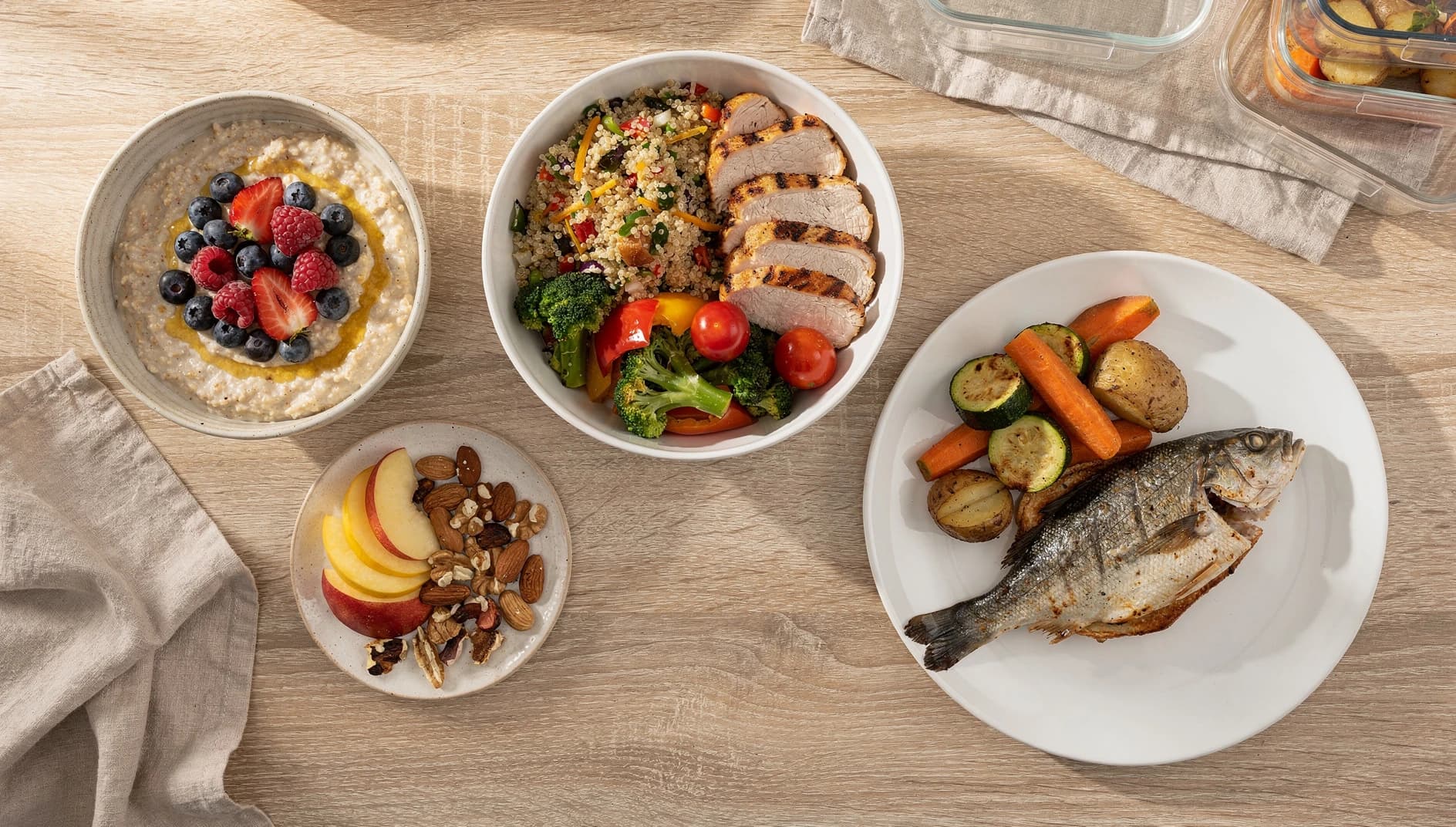
7-Day 1800 Calorie Meal Plan (With Grocery List) — 2026
A complete 7-day 1800 calorie meal plan with per-meal calories and protein, a full grocery list, and how to generate a personalised calorie-target plan automatically.
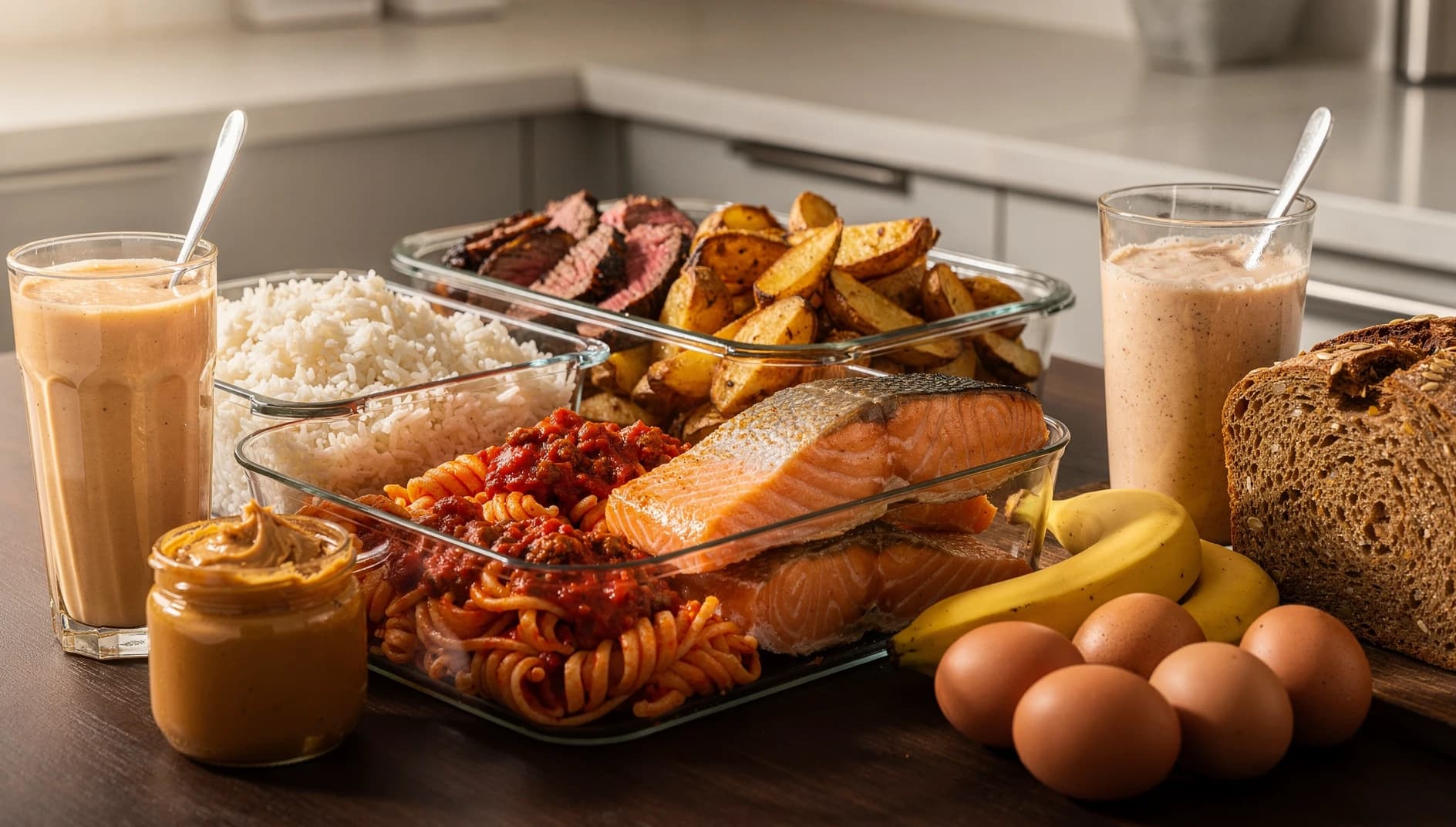
7-Day 3000 Calorie Meal Plan (With Grocery List) — 2026
A complete 7-day 3000 calorie meal plan for muscle gain and high energy needs — per-meal calories and protein, a full grocery list, and how to generate a personalised version automatically.
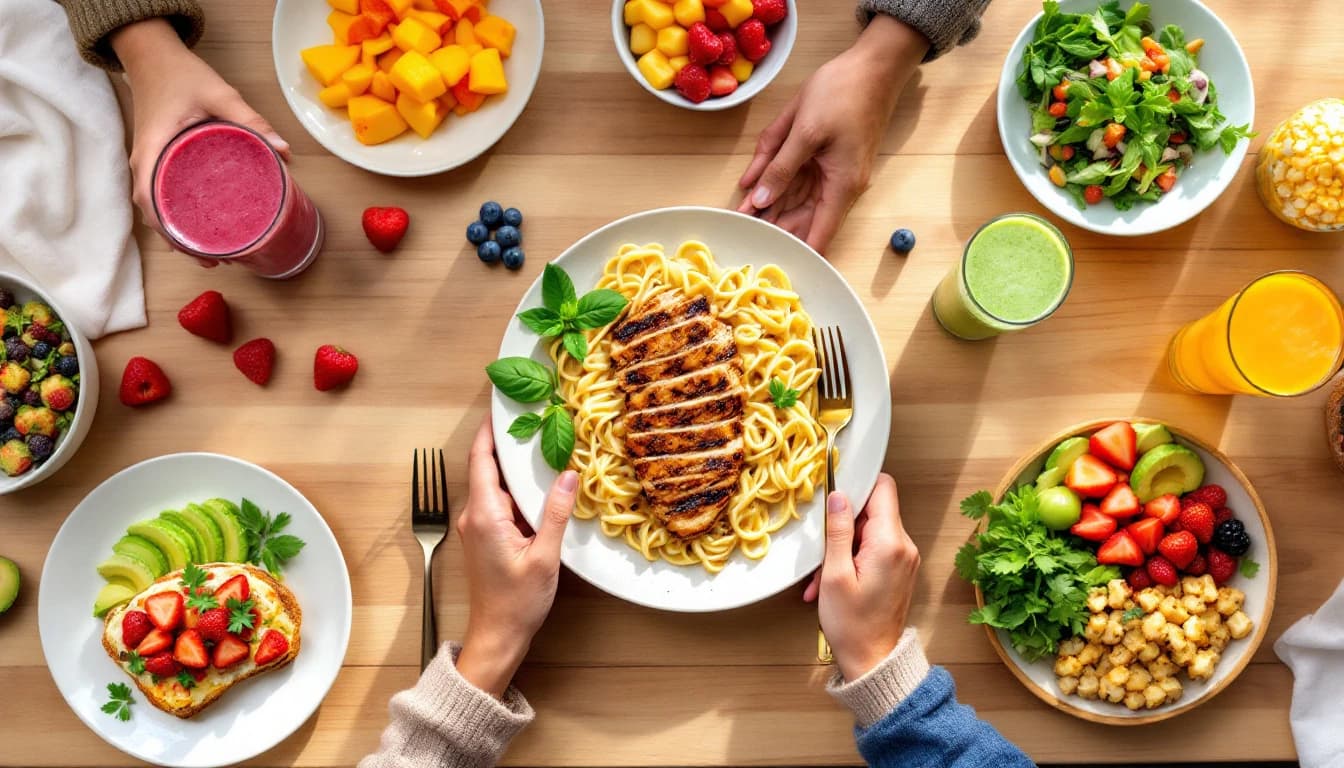
7-Day 2000 Calorie Meal Plan (With Grocery List) — 2026
A complete 7-day 2000 calorie meal plan with per-meal calories and protein, a full grocery list, and how to generate a personalised calorie-target plan automatically.